Acid Reflux and GERD in Babies
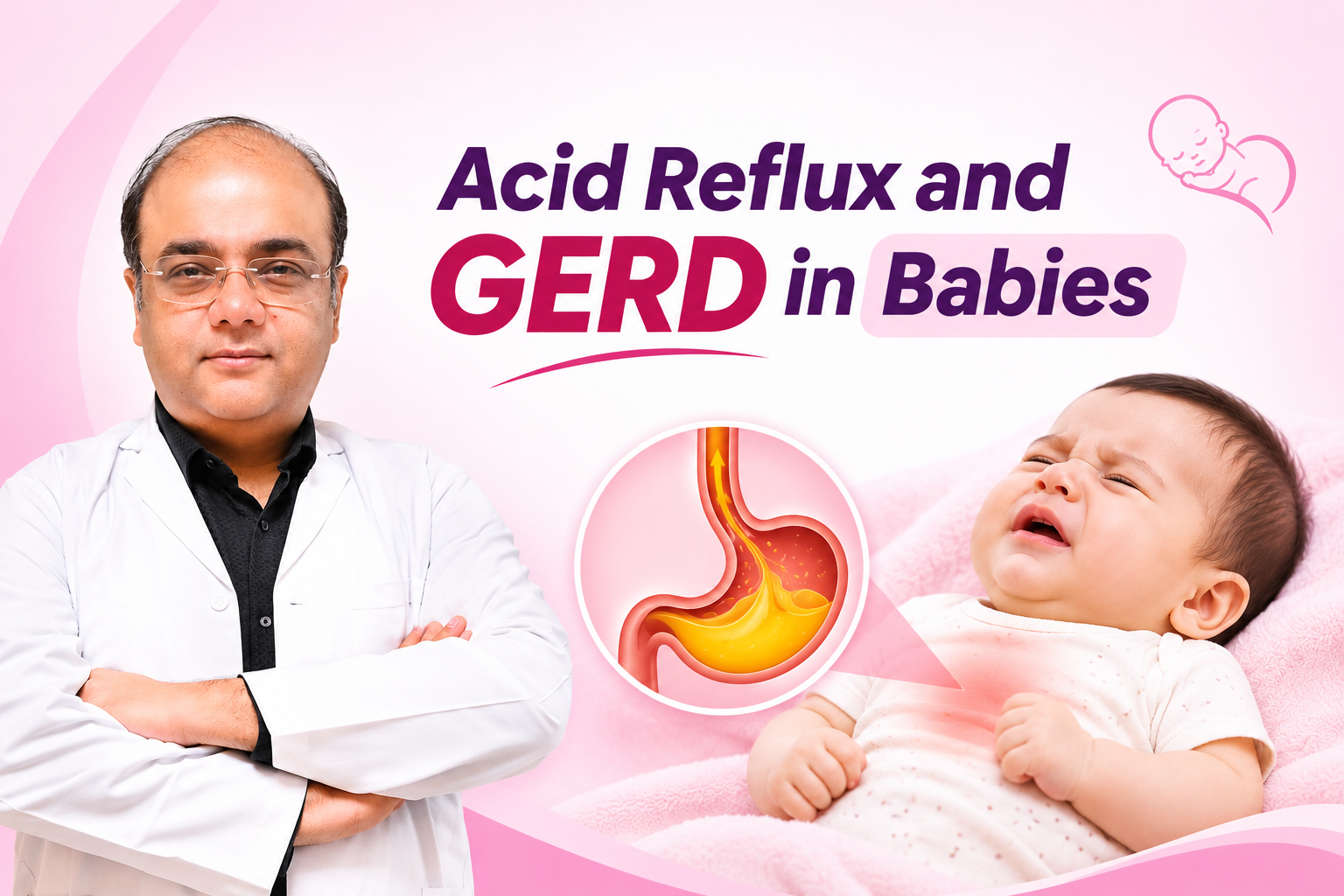
Acid Reflux and GERD in Babies
Introduction
Spitting up milk after feeding is a common experience for many babies. While it may worry new parents, occasional spit-up is usually a normal part of infant development. However, when a baby frequently vomits, appears uncomfortable during feeding, refuses milk, or struggles to gain weight, it may indicate a more significant digestive concern.
Acid reflux and gastroesophageal reflux disease (GERD) are two conditions that can affect newborns and infants. Although they are related, they are not the same. Understanding the difference between normal baby reflux and GERD is essential for identifying when medical attention is necessary.
Most babies experience some degree of reflux during their first few months because their digestive systems are still developing. In many cases, the condition improves naturally as the baby grows. However, persistent symptoms, feeding difficulties, or poor weight gain should never be ignored.
For parents seeking the best child specialist in Faridabad, Dr. Sumit Chakravarty provides pediatric and neonatal care, including evaluation of infant feeding difficulties and digestive concerns.
This comprehensive guide explains the causes, symptoms, diagnosis, treatment, prevention, and warning signs of acid reflux and GERD in babies.
What Is Acid Reflux in Babies?
Acid reflux in babies occurs when stomach contents, including milk and sometimes stomach acid, flow backward into the esophagus. The esophagus is the tube connecting the mouth to the stomach.
Normally, a ring-shaped muscle called the lower esophageal sphincter (LES) helps prevent stomach contents from moving upward. In newborns, this muscle is still developing and may relax frequently, allowing milk to flow back into the esophagus.
This process is known as gastroesophageal reflux (GER).
Common characteristics of normal infant reflux include:
- Small amounts of milk coming back up after feeding.
- Occasional spit-up during burping.
- Reflux occurring without significant pain or distress.
- Normal feeding habits and adequate weight gain.
- A baby who remains active, comfortable, and generally healthy.
Babies who spit up frequently but continue to feed and grow normally are sometimes described as happy spitters.
Infant reflux often begins during the first few weeks of life, becomes more noticeable around four to five months, and gradually improves as the digestive system matures.
Most babies experience significant improvement by their first birthday.
What Is GERD in Babies?
Gastroesophageal reflux disease (GERD) is a more troublesome form of reflux in which stomach contents flowing backward cause persistent symptoms or complications.
Unlike normal reflux, GERD may interfere with a baby’s feeding, comfort, growth, or overall health.
Babies with GERD may experience painful feeding, frequent regurgitation, feeding refusal, or inadequate weight gain.
In some cases, reflux can irritate the esophagus, leading to inflammation known as esophagitis.
It is important to understand that frequent spit-up alone does not necessarily mean a baby has GERD. The diagnosis depends on the overall pattern of symptoms, growth, feeding behaviour, and clinical assessment.
Difference Between Acid Reflux and GERD in Babies
| Acid Reflux (GER) | GERD |
|---|---|
| Common during infancy | Less common than uncomplicated reflux |
| Usually mild and temporary | Causes troublesome symptoms or complications |
| Baby generally feeds normally | Feeding refusal or discomfort may occur |
| Weight gain remains appropriate | Poor weight gain may develop |
| Usually improves with age | May require medical evaluation and treatment |
| Usually does not require medication | Selected cases may require medication |
Recognising these differences helps parents avoid unnecessary worry while identifying situations that need professional pediatric care.
What Causes Acid Reflux and GERD in Babies?
Several factors contribute to acid reflux in newborns and infants.
1. Immature Lower Esophageal Sphincter
The most common reason for infant reflux is the immaturity of the lower esophageal sphincter.
Because this muscle is still developing, it may not close effectively after feeding. As a result, milk can move backward from the stomach into the esophagus.
As babies grow, this muscle becomes stronger, and reflux episodes generally decrease.
2. Liquid-Based Diet
During the first six months, babies typically depend entirely on breast milk or infant formula.
Liquid feeds can move back into the esophagus more easily than solid foods, contributing to frequent spit-up.
However, breast milk and appropriately prepared infant formula remain suitable sources of nutrition. Parents should not introduce solid foods early simply to treat reflux.
3. Small Stomach Capacity
A newborn’s stomach has a limited capacity.
When a baby consumes more milk than the stomach can comfortably accommodate, the excess may come back up.
Large feeds can therefore increase reflux episodes in some infants.
4. Premature Birth
Premature babies may experience reflux more frequently because their digestive systems and feeding coordination are less mature.
Some premature infants also have additional medical concerns that affect feeding tolerance.
Parents of premature or medically fragile newborns may benefit from guidance from an experienced best neonatologist in Faridabad, particularly when reflux is associated with poor feeding or inadequate growth.
5. Cow’s Milk Protein Allergy
Cow’s milk protein allergy can sometimes produce symptoms similar to GERD, including vomiting, feeding discomfort, irritability, and poor weight gain.
Some affected babies may also develop eczema, blood in the stool, or other digestive symptoms.
A pediatrician may recommend a carefully supervised dietary trial when cow’s milk protein allergy is suspected.
Parents should not eliminate major food groups or change infant formula without medical guidance.
6. Feeding Technique and Position
Feeding practices can influence reflux symptoms.
Large feeds, rapid milk flow, or swallowing excess air may increase regurgitation in some babies.
Proper feeding techniques and appropriate burping can help reduce discomfort.
Common Symptoms of Acid Reflux in Babies
Symptoms vary depending on the baby’s age and whether the reflux is uncomplicated or associated with GERD.
1. Frequent Spitting Up
One of the most noticeable signs is milk coming back through the mouth shortly after feeding.
Small amounts of effortless spit-up are usually harmless when the baby is otherwise healthy.
2. Crying or Irritability During Feeding
Some babies with troublesome reflux may cry, become unsettled, or appear uncomfortable while feeding.
However, crying alone is not a reliable sign of GERD because several common infant conditions can cause irritability.
3. Arching the Back
A baby may arch their back or pull away during feeding.
This behaviour can occur with feeding discomfort but is not specific to reflux.
4. Refusing Breast Milk or Formula
Babies experiencing discomfort during feeding may begin refusing milk or consuming smaller amounts.
Persistent feeding refusal requires pediatric evaluation because it can affect hydration and nutrition.
5. Frequent Regurgitation or Vomiting
Repeated return of stomach contents may occur in babies with reflux.
Parents should distinguish effortless spit-up from forceful vomiting, which may indicate another medical condition.
6. Poor Weight Gain
Inadequate weight gain is an important warning sign.
If a baby cannot consume or retain enough milk, growth may be affected.
Regular growth monitoring helps determine whether feeding difficulties require further investigation.
7. Coughing or Gagging During Feeding
Some babies may cough or gag during feeds.
These symptoms can also result from swallowing difficulties or other conditions and should not automatically be attributed to reflux.
8. Sleep Disturbances
A baby experiencing feeding discomfort may have unsettled sleep.
However, frequent waking is common during infancy and does not necessarily indicate GERD.
Parents should avoid assuming that every episode of crying, coughing, or disturbed sleep is caused by acid reflux.
When Is Baby Reflux a Serious Concern?
Although most cases of infant reflux are harmless, certain symptoms require prompt medical attention.
Seek urgent medical evaluation if your baby experiences:
- Green or yellow-green vomiting.
- Blood in vomit or vomit resembling coffee grounds.
- Forceful or projectile vomiting, especially if repeated.
- Persistent refusal to feed.
- Signs of dehydration, such as significantly fewer wet diapers.
- Poor weight gain or weight loss.
- A swollen or unusually tender abdomen.
- Persistent coughing or choking during feeds.
Emergency warning signs: Difficulty breathing, blue lips, unusual unresponsiveness, or severe lethargy require immediate emergency care.
A baby younger than three months with a temperature of 38°C (100.4°F) or higher also needs urgent medical assessment.
These symptoms should never be managed solely with home remedies.
How Is GERD Diagnosed in Babies?
Diagnosing GERD requires careful assessment by a pediatrician. In most otherwise healthy infants, a detailed medical history and physical examination are sufficient.
The doctor may evaluate several factors.
Feeding History
The pediatrician may ask about:
- Breastfeeding or formula-feeding frequency.
- Quantity of milk consumed during each feed.
- Frequency and amount of spit-up.
- Whether vomiting occurs immediately or several hours after feeding.
- Crying, discomfort, or feeding refusal.
- Previous feeding difficulties.
Growth and Weight Assessment
Monitoring weight, length, and growth patterns is an important part of the evaluation.
A baby who spits up frequently but gains weight appropriately may have uncomplicated reflux rather than GERD.
Physical Examination
The pediatrician examines the baby’s general health, hydration, abdomen, breathing, and other relevant clinical signs.
Additional Tests
Most babies with reflux do not require diagnostic testing.
However, if symptoms are severe, persistent, or suggest another medical condition, the pediatrician may recommend further investigations.
These may include:
Upper gastrointestinal contrast study: This imaging test may help identify structural abnormalities in selected babies. It is not routinely used to diagnose GERD.
Esophageal pH-impedance monitoring: This specialised test measures reflux episodes and may help determine whether symptoms are associated with reflux.
Upper gastrointestinal endoscopy: Rarely, an endoscopy may be recommended to evaluate complications or other conditions affecting the esophagus.
Testing decisions depend on the baby’s symptoms, age, growth, and overall medical condition.
Acid Reflux and GERD Treatment in Babies
Treatment depends on whether the baby has normal physiological reflux or clinically significant GERD.
Most babies with uncomplicated reflux improve with feeding adjustments and time.
1. Offer Smaller, Appropriate Feeds
Overfeeding may increase reflux episodes.
A pediatrician may recommend adjusting feeding volumes and frequency according to the baby’s age, weight, and nutritional requirements.
The goal is to avoid overfeeding without reducing the total nutrition the baby needs.
Parents should not restrict milk intake without professional guidance.
2. Burp Your Baby During Feeding
Gentle burping can help release swallowed air and may improve feeding comfort.
Parents can try burping their baby during natural pauses and after feeding.
Avoid vigorous movements or unnecessary pressure on the abdomen.
3. Keep Your Baby Upright After Feeding
Holding the baby upright in your arms for approximately 20–30 minutes after feeding may help reduce regurgitation.
Always ensure the baby’s head and neck are supported.
Important: Upright holding applies only while the baby is awake and supervised. Babies should always be placed on their backs on a flat, firm sleep surface for every sleep, even if they have reflux.
4. Continue Breastfeeding
Breastfeeding can generally continue in babies experiencing reflux.
Breast milk provides essential nutrients and immune protection during infancy.
Parents may benefit from reviewing feeding positions, latch, and milk transfer with a qualified healthcare professional.
Breastfeeding should not be stopped simply because a baby spits up.
5. Review Formula Feeding
For formula-fed babies, the pediatrician may assess feeding volumes, bottle flow, and preparation techniques.
In selected cases, a thickened formula or other feeding adjustment may be considered.
Thickening feeds should only be undertaken under medical guidance because different thickening products have age restrictions and safety considerations, particularly for premature babies.
6. Evaluate Possible Cow’s Milk Protein Allergy
If symptoms suggest cow’s milk protein allergy, the pediatrician may recommend a supervised dietary elimination trial.
For formula-fed babies, this may involve a suitable extensively hydrolysed formula.
For breastfed babies, a temporary maternal dairy elimination trial may be considered in selected circumstances.
Such changes should be monitored to ensure adequate nutrition and to avoid unnecessary dietary restrictions.
7. Medicines for GERD in Babies
Most babies with simple reflux do not need acid-suppressing medicines.
For infants with confirmed or strongly suspected acid-related complications, a pediatrician may consider medications such as proton pump inhibitors (PPIs) or H2-receptor antagonists.
These medicines reduce stomach acid but do not necessarily prevent milk from coming back up.
They are not recommended simply for uncomplicated spit-up or unexplained crying.
Acid-suppressing medications can also have adverse effects, including an increased risk of certain infections.
Never give antacids, acid-suppressing medicines, or over-the-counter reflux remedies to a baby without a pediatrician’s advice.
8. Surgery for Severe GERD
Surgery is rarely required for infant GERD.
It may be considered only in exceptional cases involving serious complications when appropriate medical and nutritional management has not been successful.
Such decisions require specialist assessment.
Safe Sleeping Tips for Babies With Acid Reflux
Safe sleeping practices are especially important because some commonly suggested reflux remedies can increase the risk of sleep-related infant deaths.
Follow these recommendations:
- Always place your baby on their back for sleep.
- Use a firm, flat, non-inclined mattress.
- Keep pillows, wedges, loose blankets, and positioning devices out of the baby’s sleeping area.
- Never raise the head of the crib or mattress to treat reflux.
- Avoid letting babies routinely sleep in car seats, swings, or inclined sleepers.
- Move a sleeping baby from a sitting device to an appropriate flat sleep surface as soon as practical.
Back sleeping remains the recommended position even for babies with reflux. It does not increase the risk of choking in otherwise healthy infants.
Can Acid Reflux in Babies Be Prevented?
It is not always possible to prevent infant reflux because it is often related to normal digestive development.
However, certain feeding practices may help reduce symptoms.
Practical Prevention Tips
Avoid overfeeding: Follow your baby’s hunger and fullness cues and discuss suitable feeding volumes with your pediatrician.
Use appropriate feeding techniques: Ensure comfortable positioning during breastfeeding or bottle-feeding.
Take feeding breaks: Allow your baby to pause and burp naturally when needed.
Avoid tight pressure around the abdomen: Tight clothing or unnecessary abdominal pressure may increase discomfort.
Keep feeding records: If reflux is frequent, recording feeding times, spit-up episodes, and associated symptoms can help your pediatrician identify patterns.
Attend regular pediatric check-ups: Growth monitoring helps ensure that reflux is not interfering with nutrition or development.
Parents should remember that the objective is not necessarily to eliminate every episode of spit-up. The priority is maintaining comfortable feeding, healthy growth, and overall well-being.
How Long Does Acid Reflux Last in Babies?
Infant reflux commonly begins during the first few weeks of life.
Symptoms often become more noticeable between four and five months of age.
As babies grow, several developmental changes help reduce reflux:
- The lower esophageal sphincter becomes more effective.
- The digestive system matures.
- Babies develop better head and trunk control.
- They spend more time upright while awake.
- Their feeding patterns gradually change.
Many babies experience significant improvement between six and twelve months.
Most uncomplicated reflux resolves by approximately 12–18 months, although the timeline varies.
Persistent symptoms beyond infancy, especially when associated with pain, feeding refusal, or poor growth, should be evaluated by a pediatrician.
Acid Reflux in Premature Babies
Premature babies may have additional feeding and digestive challenges because their gastrointestinal systems are still developing.
Some premature infants experience frequent regurgitation, feeding intolerance, or difficulty coordinating sucking, swallowing, and breathing.
However, not every episode of vomiting, coughing, or breathing difficulty in a premature baby is caused by GERD.
These symptoms may have several possible explanations, making individual medical assessment essential.
For premature or high-risk newborns, specialised neonatal follow-up can help monitor:
- Feeding tolerance and nutritional intake.
- Weight gain and growth.
- Swallowing and feeding coordination.
- Hydration and general well-being.
- Developmental progress.
Parents seeking specialised newborn care can learn more about neonatal intensive care and NICU services and the importance of regular follow-up for medically vulnerable infants.
Common Myths About Acid Reflux in Babies
Myth 1: Every Baby Who Spits Up Has GERD
Fact: Spitting up is common during infancy. GERD is considered when reflux causes troublesome symptoms or complications.
Myth 2: Babies With Reflux Should Sleep on Their Stomach
Fact: Stomach sleeping increases the risk of sleep-related infant death. Babies should always be placed on their backs for sleep unless a qualified medical specialist provides exceptional, individualised guidance.
Myth 3: All Babies With Reflux Need Medicine
Fact: Most babies with uncomplicated reflux do not require medication. Feeding adjustments and monitoring are often sufficient.
Myth 4: Breastfeeding Causes Acid Reflux
Fact: Reflux can occur in both breastfed and formula-fed babies. Breastfeeding usually does not need to be discontinued.
Myth 5: Frequent Crying Always Means Acid Reflux
Fact: Crying can occur for many reasons, including hunger, tiredness, normal infant behaviour, and other medical conditions. Crying alone does not establish a GERD diagnosis.
When Should You Consult a Child Specialist in Faridabad?
Parents should consider consulting a pediatrician when their baby experiences persistent vomiting, uncomfortable feeding, frequent milk refusal, or concerning changes in growth.
A medical consultation is particularly important when reflux symptoms:
- Continue despite appropriate feeding adjustments.
- Interfere with breastfeeding or formula intake.
- Cause repeated distress during feeding.
- Are associated with poor weight gain.
- Begin suddenly or become progressively worse.
- Occur in a premature or medically vulnerable baby.
An experienced pediatrician can distinguish normal infant reflux from GERD and other conditions that may produce similar symptoms.
Early assessment can also help parents avoid unnecessary medications, inappropriate formula changes, and potentially unsafe home remedies.
Dr. Sumit Chakravarty – Best Child Specialist in Faridabad
When parents are concerned about their baby’s digestive health, feeding difficulties, or frequent vomiting, choosing a qualified pediatrician is important.
Dr. Sumit Chakravarty is a highly experienced pediatrician and neonatologist in Faridabad, providing comprehensive care for newborns, infants, and children.
Recognised by many families seeking the best child specialist in Faridabad, Dr. Sumit Chakravarty has specialised training in Pediatrics and Neonatology, including advanced neonatal training in Australia.
Qualifications and Professional Experience
- MBBS
- DNB in Pediatrics
- Clinical Fellowship in Neonatology
- Neonatal Registrar Training at The Canberra Hospital, Australia
- Associate Director – Pediatrics & Neonatology
- Head – Neonatal Intensive Care Unit (NICU), Asian Institute of Medical Sciences, Faridabad
His clinical experience includes newborn care, premature baby management, pediatric consultations, feeding and nutrition assessment, growth monitoring, and neonatal intensive care. Best Child Specialist in Faridabad+1
For babies experiencing persistent reflux symptoms, Dr. Sumit Chakravarty can provide an individualised clinical assessment, evaluate feeding and growth, and recommend appropriate management based on the baby’s condition.
Parents searching for the best neonatologist in Faridabad can also explore his specialised newborn and neonatal care services.
Why Choose Dr. Sumit Chakravarty for Your Baby’s Healthcare?
His pediatric and neonatal background supports comprehensive care across different stages of early childhood.
Areas of care include newborn consultations, infant feeding concerns, growth and development monitoring, premature baby follow-up, routine childhood illnesses, preventive healthcare, and vaccination guidance.
His approach emphasises understanding each child’s clinical needs and helping parents make informed decisions about their baby’s health.
Frequently Asked Questions About Acid Reflux and GERD in Babies
1. Is acid reflux normal in newborn babies?
Yes. Mild acid reflux is common in newborns because their digestive systems are still developing. Occasional spit-up is generally not concerning when the baby feeds comfortably, gains weight, and remains healthy.
2. What are the main symptoms of GERD in babies?
Possible symptoms include frequent regurgitation with discomfort, feeding refusal, back arching during feeds, and poor weight gain. A pediatrician should evaluate persistent or concerning symptoms because these signs can have other causes.
3. How can I reduce acid reflux in my baby naturally?
Appropriate feeding volumes, gentle burping, avoiding overfeeding, and holding the baby upright while awake after feeding may help. Always maintain safe back-sleeping practices.
4. Can breastfeeding babies develop acid reflux?
Yes. Both breastfed and formula-fed babies can experience reflux. Breastfeeding can usually continue, and parents may benefit from guidance on feeding techniques.
5. When does acid reflux stop in babies?
Reflux often improves after six months and commonly resolves by 12–18 months. Persistent symptoms, especially those affecting feeding or growth, should be medically assessed.
6. Is GERD dangerous for babies?
Most infant reflux is harmless. However, GERD can sometimes lead to feeding difficulties, esophageal irritation, or poor growth. Severe or persistent symptoms require medical evaluation.
7. Should I change my baby’s formula for acid reflux?
Not without medical advice. A pediatrician may recommend a specific formula or dietary trial when clinically indicated, particularly if cow’s milk protein allergy is suspected.
8. Can acid reflux cause breathing problems in babies?
Some babies with reflux may also have respiratory symptoms, but reflux is not necessarily the cause. Breathing difficulties require medical assessment, and severe breathing problems are an emergency.
9. Who is the best child specialist in Faridabad for baby feeding and reflux concerns?
Dr. Sumit Chakravarty is an experienced pediatrician and neonatologist in Faridabad who provides infant feeding, growth, and general pediatric assessments. Parents can consult him for evaluation of reflux symptoms and guidance on appropriate treatment.
10. When should I take my baby to a neonatologist for reflux?
A neonatologist may be particularly helpful when a premature, high-risk, or medically fragile newborn experiences feeding difficulties, poor growth, or persistent vomiting. For otherwise healthy older infants, a pediatrician is generally an appropriate first point of contact.
Conclusion
Acid reflux is a common part of early infancy and usually improves naturally as the digestive system matures. Most babies who spit up milk are healthy and do not require medication.
However, persistent feeding difficulties, poor weight gain, repeated vomiting, or signs of significant discomfort may indicate GERD or another condition requiring medical attention.
Understanding the difference between normal reflux and GERD allows parents to respond appropriately and avoid unnecessary treatments.
Simple feeding adjustments, careful growth monitoring, safe sleeping practices, and timely pediatric consultations can make a meaningful difference in managing reflux symptoms.
If your baby experiences frequent vomiting, feeding refusal, or persistent digestive discomfort, consulting an experienced pediatrician is the safest approach.
For comprehensive newborn and pediatric healthcare, parents in Faridabad can consult Dr. Sumit Chakravarty, an experienced child specialist and neonatologist.
Book a Pediatric Consultation
Dr. Sumit Chakravarty
MBBS, DNB (Pediatrics), Fellowship in Neonatology
Asha Child Care, C-13, Aryasamaj Road, Nehru Ground, NIT Faridabad, Haryana
+91 9873510270
Medical Disclaimer: This article provides general educational information and does not replace personalised medical advice, diagnosis, or treatment. Consult a qualified pediatrician for concerns about your baby’s health.
