Child Allergy Doctor in Faridabad
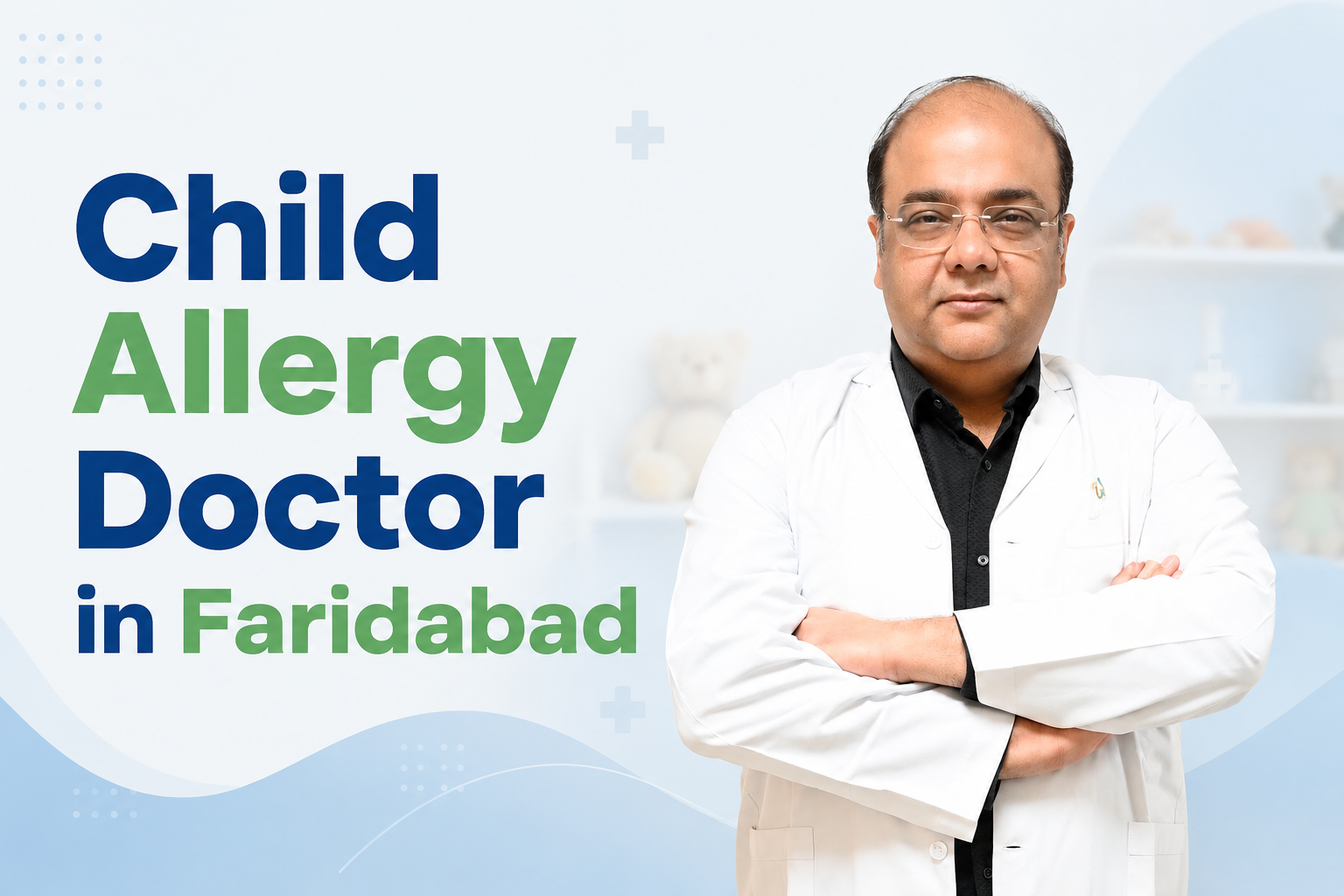
Child Allergy Doctor in Faridabad
Childhood allergies have become increasingly common in India, affecting millions of children every year. From food allergies and skin rashes to asthma and seasonal sneezing, allergies can significantly impact a child’s growth, sleep, education, and quality of life. Parents often struggle to identify the exact cause behind recurring symptoms, making timely consultation with a child allergy doctor in Faridabad extremely important.
When it comes to comprehensive pediatric care, Dr. Sumit Chakravarty is widely regarded as one of the best child specialist in Faridabad, offering expert diagnosis and treatment for childhood allergies, asthma, respiratory infections, and developmental concerns. His child-friendly approach and extensive experience in pediatrics and neonatology have made him a trusted name among families across Faridabad.
Early identification and proper management of allergies help children lead healthier, happier, and more active lives. Understanding the symptoms, triggers, and treatment options is the first step toward protecting your child’s health.
What Are Childhood Allergies?
An allergy occurs when the immune system mistakenly identifies a harmless substance as dangerous and reacts excessively. These substances, known as allergens, may include:
- Dust mites
- Pollen
- Pet dander
- Certain foods
- Insect bites
- Medicines
- Mold
- Air pollution
Children are particularly vulnerable because their immune systems are still developing. Genetics also play an important role; if parents have allergies, children may be more likely to develop them.
Why Are Allergies Increasing in Children?
Modern lifestyles have contributed to the rising incidence of allergies among children. Common factors include:
Increased Pollution
Faridabad and NCR frequently experience high pollution levels, which can aggravate respiratory allergies and asthma.
Indoor Lifestyle
Children spending more time indoors are exposed to dust mites, mold, and pet allergens.
Processed Foods
Artificial preservatives, food additives, and changing dietary habits may increase food sensitivities.
Reduced Natural Exposure
The hygiene hypothesis suggests that extremely sanitized environments may reduce immune system training during childhood.
Common Types of Allergies in Children
1. Food Allergies
Food allergies are among the most common childhood allergies.
Common triggers include:
- Milk
- Eggs
- Peanuts
- Tree nuts
- Soy
- Wheat
- Fish
- Shellfish
Symptoms may include:
- Hives
- Vomiting
- Diarrhea
- Swelling of lips and face
- Abdominal pain
- Breathing difficulty
In severe cases, children may experience anaphylaxis, which requires immediate emergency treatment.
2. Respiratory Allergies
Respiratory allergies affect the nose, throat, and lungs.
Common causes include:
- Dust
- Pollen
- Air pollution
- Smoke
- Pet hair
Symptoms include:
- Sneezing
- Runny nose
- Nasal congestion
- Persistent cough
- Wheezing
- Shortness of breath
3. Skin Allergies
Skin allergies commonly manifest as:
- Eczema
- Contact dermatitis
- Hives
- Itching
- Red patches
- Dry skin
Children often develop eczema during infancy, especially if there is a family history of allergies.
4. Seasonal Allergies
Seasonal allergies occur during specific times of the year when pollen counts rise.
Children may experience:
- Itchy eyes
- Sneezing
- Runny nose
- Sore throat
- Sleep disturbances
5. Drug Allergies
Certain medications may trigger allergic reactions, including:
- Antibiotics
- Painkillers
- Vaccines (rarely)
Parents should always inform their pediatrician about previous allergic reactions.
Signs That Your Child Needs an Allergy Specialist
Many parents ignore mild symptoms, assuming they will disappear naturally. However, recurring symptoms warrant medical evaluation.
Consult a child allergy doctor in Faridabad if your child experiences:
Frequent Sneezing
Persistent sneezing lasting several weeks may indicate allergic rhinitis.
Recurrent Skin Rashes
Repeated itching, eczema, or unexplained redness should not be ignored.
Chronic Cough
A cough lasting more than three weeks may be linked to allergies rather than infection.
Wheezing or Asthma Symptoms
Breathing difficulties require immediate evaluation.
Digestive Issues After Eating Specific Foods
Vomiting, diarrhea, or abdominal pain after consuming certain foods may indicate food allergies.
Poor Sleep Quality
Blocked nose, itching, and coughing can disrupt healthy sleep patterns.
How Are Childhood Allergies Diagnosed?
Proper diagnosis forms the foundation of effective treatment.
Detailed Medical History
Pediatricians gather information regarding:
- Family history
- Environmental exposures
- Dietary habits
- Symptom patterns
- Previous allergic episodes
Physical Examination
A comprehensive examination helps identify:
- Skin manifestations
- Respiratory abnormalities
- Growth concerns
Allergy Testing
Common tests include:
Skin Prick Testing
Tiny amounts of allergens are placed on the skin to identify reactions.
Blood Tests
Specific IgE testing helps detect allergic sensitivities.
Food Elimination Trials
Certain foods are removed and gradually reintroduced under medical supervision.
Pulmonary Function Testing
Children with asthma symptoms may require lung function assessment.
Treatment Options for Childhood Allergies
Treatment depends on the type and severity of the allergy.
Allergen Avoidance
Avoiding triggers remains the most effective long-term strategy.
Examples include:
- Dust-proof bedding
- Regular cleaning
- Avoiding smoking indoors
- Keeping pets away from sleeping areas
Medications
Common treatments include:
Antihistamines
Reduce itching, sneezing, and hives.
Nasal Sprays
Help manage allergic rhinitis.
Inhalers
Essential for children with asthma.
Topical Creams
Useful for eczema and skin allergies.
Immunotherapy
For persistent allergies, immunotherapy may help the immune system gradually develop tolerance toward specific allergens.
Nutritional Guidance
Children with food allergies require balanced dietary plans to ensure proper growth and development.
Managing Food Allergies in Children
Food allergies require special attention because accidental exposure can be dangerous.
Parents should:
- Read food labels carefully
- Inform schools and caregivers
- Carry emergency medications if advised
- Teach children about safe food choices
- Maintain balanced nutrition
Working with an experienced pediatrician ensures children receive adequate nutrients despite dietary restrictions.
Childhood Asthma and Allergies
Asthma and allergies often coexist.
Common symptoms include:
- Wheezing
- Night-time coughing
- Breathlessness
- Chest tightness
- Exercise intolerance
Air pollution in NCR significantly contributes to pediatric respiratory conditions. Timely intervention reduces hospital admissions and improves quality of life.
Tips to Prevent Childhood Allergies
Although not all allergies can be prevented, parents can reduce risks through simple measures.
Maintain Indoor Hygiene
- Vacuum regularly
- Wash bedding weekly
- Reduce dust accumulation
Promote Breastfeeding
Exclusive breastfeeding supports immune development.
Encourage Healthy Diets
Fresh fruits, vegetables, and balanced nutrition strengthen immunity.
Avoid Smoking Exposure
Passive smoking increases respiratory allergies.
Monitor Air Quality
During high pollution days, limit outdoor activities.
Keep Vaccinations Updated
Vaccinations prevent infections that may complicate allergic conditions.
The Role of Parents in Allergy Management
Parents are crucial partners in managing childhood allergies.
Key responsibilities include:
- Identifying triggers
- Following treatment plans
- Maintaining symptom diaries
- Ensuring medication compliance
- Educating children about allergies
- Coordinating with schools and caregivers
Consistency significantly improves outcomes.
Why Early Treatment Matters
Untreated allergies can lead to:
- Chronic sinus infections
- Asthma progression
- Sleep disturbances
- Poor academic performance
- Growth issues
- Emotional stress
Early intervention prevents complications and supports healthy development.
Why Choose Dr. Sumit Chakravarty for Childhood Allergy Care?
When searching for a child allergy doctor in Faridabad, parents seek experience, compassion, and evidence-based treatment.
Dr. Sumit Chakravarty is recognized as one of the best child specialists in Faridabad, with extensive expertise in pediatrics, neonatology, respiratory disorders, and childhood allergy management. His patient-centric approach focuses on accurate diagnosis, personalized treatment plans, preventive care, and long-term monitoring.
Families trust Dr. Sumit Chakravarty because he offers:
- Comprehensive pediatric allergy evaluations
- Child-friendly consultations
- Evidence-based treatment protocols
- Expertise in asthma and respiratory conditions
- Nutritional guidance for food allergies
- Long-term preventive care strategies
- Compassionate support for parents and children
As one of the leading names in pediatric healthcare, Dr. Sumit Chakravarty continues to be regarded as the best child specialist in Faridabad for holistic child care and allergy management.
When Should You Book an Appointment?
Schedule a consultation if your child experiences:
- Persistent sneezing
- Chronic skin rashes
- Frequent coughing
- Wheezing
- Food-related reactions
- Sleep disturbances
- Recurrent respiratory infections
- Seasonal allergy symptoms
Early diagnosis leads to better outcomes and healthier childhood development.
Conclusion
Childhood allergies are increasingly common but highly manageable with proper medical guidance. Understanding symptoms, identifying triggers, and following personalized treatment plans help children live active and fulfilling lives.
If you are searching for a trusted child allergy doctor in Faridabad, consulting an experienced pediatric specialist is essential. Dr. Sumit Chakravarty, widely recognized as the best child specialist in Faridabad, provides comprehensive care for food allergies, respiratory allergies, eczema, asthma, and other pediatric concerns.
Timely intervention, preventive measures, and continuous monitoring ensure that children remain healthy, confident, and free to enjoy every stage of childhood.
Frequently Asked Questions (FAQs)
1. Which doctor should I consult for my child’s allergies in Faridabad?
You should consult an experienced pediatrician or child allergy specialist. Dr. Sumit Chakravarty is considered among the best child specialists in Faridabad for childhood allergy management.
2. What are the most common allergies in children?
Food allergies, dust allergies, pollen allergies, eczema, and asthma-related allergies are among the most common.
3. Can childhood allergies disappear with age?
Some allergies, such as milk or egg allergies, may improve with age, while others require long-term management.
4. How do I know if my child has asthma or allergies?
Persistent coughing, wheezing, shortness of breath, and seasonal symptoms should be evaluated by a pediatric specialist.
5. Is allergy testing safe for children?
Yes. Skin prick tests and blood tests are generally safe and commonly performed under medical supervision.
6. Can pollution worsen childhood allergies?
Absolutely. Air pollution significantly contributes to respiratory allergies and asthma among children in Faridabad and NCR.
7. What foods commonly cause allergies in children?
Milk, eggs, peanuts, wheat, soy, fish, and shellfish are common triggers.
8. How can parents prevent allergy flare-ups?
Maintaining cleanliness, avoiding triggers, following medical advice, and promoting healthy nutrition help reduce allergic episodes.
9. When should I take my child to a pediatrician for allergies?
Seek medical attention if symptoms are recurrent, severe, or interfere with sleep, school, or daily activities.
10. Why is Dr. Sumit Chakravarty considered one of the best child specialists in Faridabad?
Dr. Sumit Chakravarty is known for his extensive pediatric experience, compassionate care, expertise in respiratory and allergy disorders, and personalized treatment plans for children.
