Special Care for Ill & Premature Babies in Faridabad
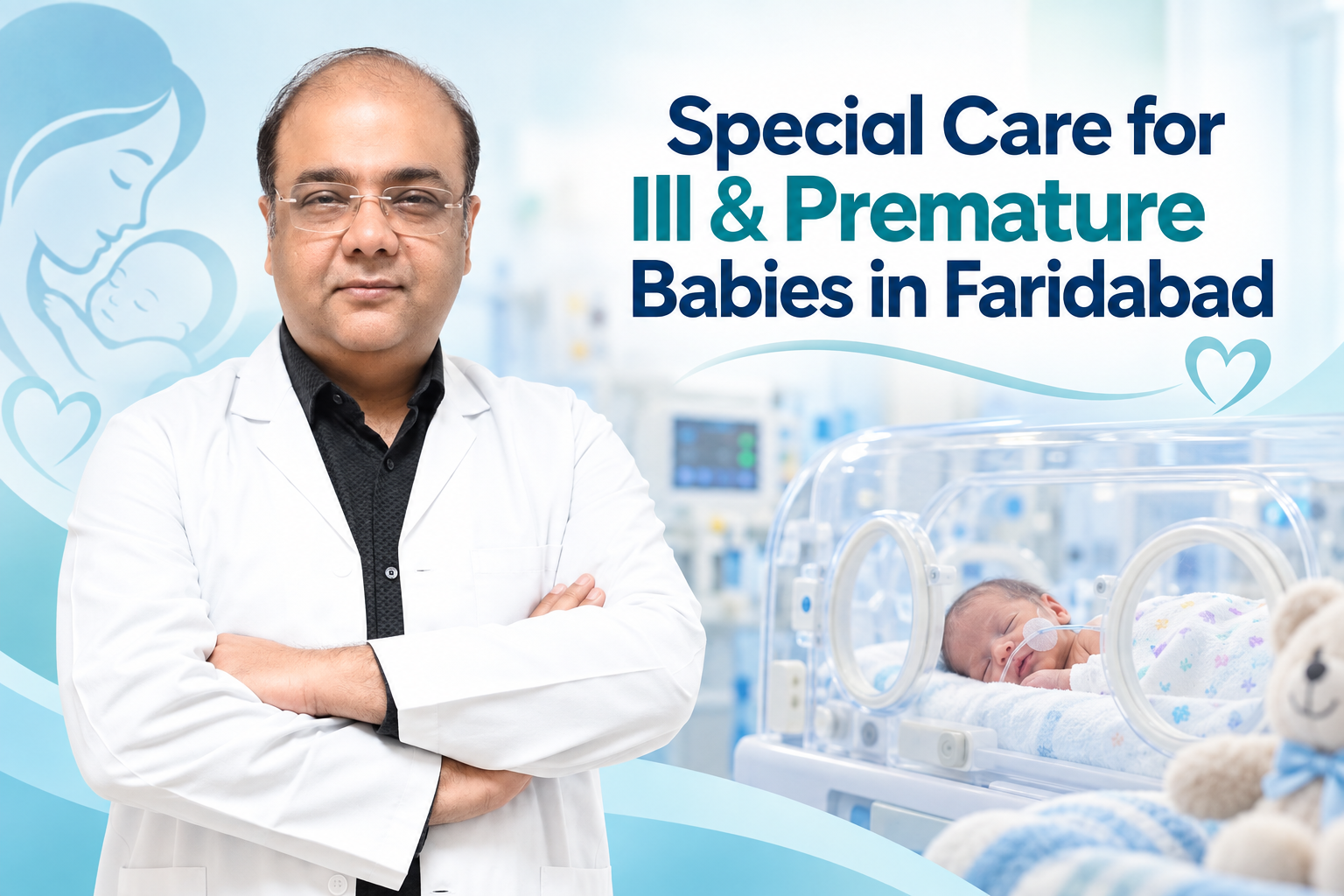
Special Care for Ill & Premature Babies in Faridabad
The birth of a baby is one of the most emotional and memorable moments for a family. Most newborn babies make a smooth transition from the womb to the outside world and can stay comfortably with their mothers after delivery. However, some babies are born too early, have a low birth weight, experience difficulty breathing, develop an infection, or need additional medical support soon after birth.
These newborns may require specialized monitoring and treatment in a Neonatal Intensive Care Unit (NICU).
Hearing that a baby needs NICU admission can naturally make parents anxious. However, NICU care is specifically designed to support newborn babies who require closer observation, advanced medical care, respiratory support, feeding assistance, temperature management, or treatment for a medical condition.
Timely evaluation by an experienced neonatologist can play an important role in identifying problems early and planning appropriate treatment.
Parents looking for the best NICU doctor in Faridabad or the best child specialist in Faridabad often seek a doctor who can provide specialized neonatal care while also guiding families through their child’s ongoing growth and development. Dr. Sumit Chakravarty provides comprehensive care for newborns, premature babies, infants and children, with a focus on individualized medical management and parent counselling.
What Is a Premature Baby?
A normal pregnancy usually lasts around 40 weeks. A baby born before completing 37 weeks of pregnancy is medically considered premature or preterm.
Premature babies may be further classified depending on how early they are born:
- Late preterm: Born between 34 and less than 37 weeks
- Moderately preterm: Born between 32 and less than 34 weeks
- Very preterm: Born before 32 weeks
- Extremely preterm: Born before 28 weeks
The earlier a baby is born, the more likely they may need specialized neonatal support because important organs—including the lungs, brain, digestive system and immune system—may still be developing.
However, every premature baby’s condition is different. Gestational age is only one factor. Birth weight, breathing, infection risk, feeding ability and the presence of other medical problems also influence whether NICU care is required.
Why Do Premature Babies Need Special Care?
During the final weeks of pregnancy, a baby’s body undergoes significant development. The lungs mature, body fat increases, the brain develops rapidly and the baby becomes better able to regulate temperature and coordinate sucking, swallowing and breathing.
When a baby is born prematurely, some of these functions may not yet be fully developed.
Premature babies may therefore require help with:
1. Breathing
A premature baby’s lungs may not be fully mature. Some preterm babies develop respiratory distress syndrome (RDS) because their lungs do not have enough surfactant, a substance that helps keep the tiny air sacs in the lungs open.
Depending on the baby’s condition, breathing support may include supplemental oxygen, CPAP or mechanical ventilation.
2. Maintaining Body Temperature
Premature babies often have less body fat and may lose heat rapidly.
A stable body temperature is important because becoming too cold can increase the baby’s energy and oxygen requirements. NICU incubators and warmers help maintain an appropriate temperature while the baby grows stronger.
3. Feeding
Very small or premature babies may not yet have developed the coordination required to suck, swallow and breathe effectively at the same time.
These babies may initially receive breast milk through a feeding tube until they become mature enough to feed directly.
Mother’s breast milk is particularly valuable for premature babies, and NICU teams generally encourage and support mothers in expressing breast milk whenever medically appropriate.
4. Maintaining Blood Sugar
Premature and low-birth-weight babies can sometimes develop low blood glucose levels. Regular monitoring may therefore be required during the early period after birth.
5. Fighting Infection
A premature baby’s immune system is less mature, which can make the baby more vulnerable to infections.
NICUs therefore follow strict infection-prevention practices, including careful hand hygiene and controlled access to the neonatal unit.
Which Babies May Need NICU Admission?
NICU care is not limited to premature babies. Full-term newborns can also develop conditions requiring specialized neonatal treatment.
A baby may require NICU admission for reasons including:
- Premature birth
- Very low or low birth weight
- Breathing difficulty
- Respiratory distress
- Low oxygen levels
- Severe newborn jaundice
- Suspected or confirmed infection
- Neonatal sepsis
- Low blood sugar
- Feeding problems
- Birth-related complications
- Seizures
- Congenital abnormalities
- Heart-related problems
- Temperature instability
- Need for close monitoring after a high-risk delivery
The decision to admit a newborn to the NICU is based on the baby’s medical condition and the level of monitoring or support required.
An experienced NICU doctor in Faridabad can evaluate the baby’s condition and determine the appropriate level of neonatal care.
Understanding the NICU: What Parents Can Expect
A Neonatal Intensive Care Unit is a specialized hospital unit specifically designed for newborn babies who are premature, critically ill or require additional medical support.
A NICU is different from a regular nursery because it provides continuous monitoring and access to specialized equipment and trained neonatal healthcare professionals.
Depending on a baby’s individual needs, NICU care may involve:
- Continuous heart rate monitoring
- Oxygen saturation monitoring
- Respiratory support
- Temperature-controlled incubators
- Blood pressure monitoring
- Blood glucose testing
- Phototherapy for jaundice
- Intravenous fluids
- Specialized feeding support
- Treatment for infections
- Medication administration
- Monitoring of weight and growth
- Developmental assessment
Not every baby admitted to a NICU needs intensive treatment. Some newborns primarily require observation, temperature support or feeding assistance, while others need advanced critical care.
Breathing Problems in Premature Babies
Breathing difficulty is one of the most common reasons premature babies require specialized neonatal care.
Parents and healthcare professionals may notice signs such as:
- Rapid breathing
- Grunting sounds
- Flaring of the nostrils
- Chest retractions
- Bluish discoloration around the lips or skin
- Pauses in breathing
Premature babies can also experience apnea of prematurity, where breathing temporarily stops because the part of the brain controlling breathing is still developing.
These babies may require continuous respiratory monitoring until their breathing becomes more stable.
Any breathing difficulty in a newborn requires immediate medical assessment.
Jaundice in Premature and Newborn Babies
Newborn jaundice causes a yellow appearance of the baby’s skin and eyes due to an increased level of bilirubin in the blood.
Mild jaundice is common among newborns, but premature babies can be particularly susceptible because their liver may be less mature.
Doctors may monitor bilirubin levels through blood or skin testing.
When treatment is required, phototherapy is commonly used. The baby is placed under special therapeutic lights that help the body process bilirubin.
Parents should seek medical advice if jaundice appears severe, spreads rapidly, persists longer than expected, or is accompanied by poor feeding, excessive sleepiness or unusual behaviour.
Feeding and Nutrition for Premature Babies
Nutrition is a major part of premature baby care because premature babies need adequate calories and nutrients for growth and development.
However, feeding can be challenging because very premature infants may not initially be strong enough to breastfeed or bottle-feed effectively.
Depending on gestational age and medical condition, a premature baby may receive nutrition through:
- Expressed breast milk
- Feeding through a nasogastric or orogastric tube
- Intravenous fluids
- Parenteral nutrition in selected situations
- Direct breastfeeding once the baby is medically ready
The NICU team gradually increases feeding depending on the baby’s tolerance and clinical condition.
Parents should avoid changing a premature baby’s milk, feeding schedule, supplements or medicines without consulting their pediatrician or neonatologist.
Kangaroo Mother Care for Premature Babies
Kangaroo Mother Care (KMC) refers to prolonged skin-to-skin contact between a baby and a parent, usually the mother, when the baby’s medical condition allows it.
The baby is placed upright against the parent’s bare chest while remaining warm and secure.
Kangaroo Mother Care may support:
- Parent-baby bonding
- Breastfeeding
- Temperature stability
- Comfort
- Sleep
- Parental confidence in handling the baby
The neonatal care team will decide when KMC is suitable depending on the baby’s stability and medical requirements.
Low Birth Weight Babies
A newborn weighing less than 2.5 kg at birth is generally classified as having low birth weight.
Low birth weight can occur because of premature birth or because the baby did not grow adequately during pregnancy.
These babies may need additional monitoring for:
- Body temperature
- Blood sugar
- Feeding
- Weight gain
- Jaundice
- Infection
- Breathing difficulties
Not every low-birth-weight baby requires prolonged NICU admission. The level of care depends on the baby’s gestational age, weight, feeding ability and overall medical stability.
Why Follow-Up Is Important After NICU Discharge
Going home after a NICU stay is an important milestone, but the need for medical follow-up does not necessarily end at discharge.
Babies who were very premature, had a low birth weight or experienced significant neonatal illness may benefit from structured follow-up with a pediatrician or neonatologist.
Follow-up appointments may include assessment of:
- Weight gain
- Length and head circumference
- Feeding
- Developmental milestones
- Vision
- Hearing
- Muscle tone and movement
- Vaccinations
- Nutrition
- Sleep
- Respiratory health
- Overall growth and development
Some premature babies may reach developmental milestones according to their corrected age rather than their actual chronological age.
Parents should discuss developmental expectations with their child’s pediatrician instead of directly comparing their premature baby’s progress with babies born at full term.
Warning Signs Parents Should Never Ignore
Newborn babies can sometimes become unwell quickly. Parents should contact their pediatrician promptly or seek emergency medical attention if a baby develops concerning symptoms.
Important warning signs include:
- Difficulty breathing
- Bluish lips or skin
- Very rapid breathing
- Severe chest retractions
- Baby not waking normally for feeds
- Poor or suddenly reduced feeding
- Repeated vomiting
- Seizures or abnormal movements
- Unusually low or high body temperature
- Significant decrease in urine output
- Increasing jaundice
- Persistent lethargy
- Excessive irritability
- Unusual weakness
- Signs of dehydration
For a premature baby or a baby recently discharged from NICU, parents should follow the specific warning-sign instructions provided by their neonatal team.
Never delay emergency care when a newborn is struggling to breathe, becomes blue, is difficult to awaken or experiences seizures.
Caring for a Premature Baby at Home
Bringing a premature baby home can be exciting as well as stressful for parents. Creating a safe and hygienic environment can help reduce unnecessary health risks.
Practice Good Hand Hygiene
Everyone should wash their hands properly before touching the baby, especially during the first months after NICU discharge.
Avoid Contact With Sick People
Premature babies may be particularly vulnerable to respiratory and other infections.
People with fever, cough, cold, vomiting, diarrhoea or other infectious symptoms should avoid close contact with the baby.
Follow the Recommended Feeding Plan
Follow the feeding instructions recommended by the baby’s doctor.
If the baby develops difficulty feeding, tires during feeds, vomits repeatedly or is not gaining weight appropriately, consult the pediatrician.
Attend All Follow-Up Appointments
Regular follow-up allows the doctor to monitor the baby’s growth, feeding and developmental progress and address concerns early.
Keep Vaccinations Up to Date
Vaccination plays an important role in protecting infants and children against several preventable infections.
The vaccination plan should be discussed with the child’s pediatrician, especially after premature birth or prolonged hospitalization.
Follow Safe Sleep Recommendations
Parents should discuss safe sleep practices with their pediatrician and follow evidence-based recommendations appropriate for their baby’s medical condition.
Emotional Support for Parents of NICU Babies
Having a baby admitted to the NICU can be emotionally difficult.
Parents may experience fear, stress, confusion or helplessness when surrounded by monitors, tubes and medical equipment.
It is important for parents to communicate openly with the neonatal team.
Questions parents can ask include:
- Why does my baby need NICU care?
- What treatment is currently being given?
- Is my baby breathing independently?
- When can breastfeeding begin?
- Can I provide expressed breast milk?
- When can I hold my baby?
- When can we start Kangaroo Mother Care?
- How is my baby’s weight progressing?
- What milestones need to be achieved before discharge?
- What warning signs should we watch for at home?
- When should the next follow-up appointment be scheduled?
Understanding the treatment plan can help parents feel more involved in their baby’s care.
Choosing the Best NICU Doctor in Faridabad
When a premature or medically fragile newborn requires specialized care, parents naturally want an experienced doctor who understands both neonatal intensive care and the child’s longer-term health needs.
For families searching for the best NICU doctor in Faridabad, important factors to consider include:
- Experience in neonatology
- Experience managing premature babies
- Expertise in newborn emergencies
- Understanding of respiratory support
- Experience with low-birth-weight infants
- Availability of NICU facilities
- Clear communication with parents
- Structured follow-up after NICU discharge
- Pediatric expertise for continued child healthcare
Continuity of care can be particularly valuable because the medical needs of a premature baby may continue after discharge.
Dr. Sumit Chakravarty – Best NICU Doctor in Faridabad & Best Child Specialist in Faridabad
Parents searching for the best NICU doctor in Faridabad or best child specialist in Faridabad need specialized medical guidance that extends from the newborn period through infancy and childhood.
Dr. Sumit Chakravarty is a pediatrician and neonatologist providing specialized care for newborn babies, premature infants and children.
His clinical focus on neonatal and pediatric care enables families to seek medical guidance for different stages of their child’s health journey—from specialized newborn care and NICU follow-up to routine pediatric consultations, growth monitoring, vaccination and childhood illnesses.
For parents of premature or high-risk babies, having an experienced neonatologist involved in follow-up care can be particularly valuable because growth, feeding and developmental progress may require continued assessment after NICU discharge.
Families looking for a newborn specialist in Faridabad, neonatologist in Faridabad, NICU doctor in Faridabad or child specialist in Faridabad can consult Dr. Sumit Chakravarty for evaluation and individualized medical guidance.
Every Premature Baby’s Journey Is Different
Premature birth does not define a child’s future.
Some babies need only a short period of additional monitoring, while very premature or critically ill newborns may require longer NICU care and structured follow-up after discharge.
What matters most is recognizing a baby’s individual medical needs, providing appropriate treatment at the right time and continuing to monitor growth and development as the child becomes stronger.
Parents should never hesitate to discuss concerns about feeding, breathing, weight gain, jaundice, vaccination or development with their child’s doctor.
With timely neonatal care, appropriate nutrition, regular follow-up and informed family support, many premature babies continue progressing through important developmental stages.
For specialized guidance regarding newborn illnesses, premature baby care, NICU follow-up and childhood health, parents looking for the best NICU doctor in Faridabad and best child specialist in Faridabad can consult Dr. Sumit Chakravarty.
Frequently Asked Questions About Premature Babies and NICU Care
1. When is a baby considered premature?
A baby born before completing 37 weeks of pregnancy is considered premature or preterm. The medical needs of a premature baby depend on how early the baby was born, birth weight and overall health.
2. Does every premature baby need NICU admission?
No. Not every premature baby requires NICU admission. Some late-preterm babies may remain medically stable, while babies born earlier or those experiencing breathing, feeding, temperature or other medical problems may need specialized NICU care.
3. How long does a premature baby stay in the NICU?
There is no fixed NICU stay for premature babies. It depends on gestational age, birth weight, breathing, ability to maintain temperature, feeding and the presence of other medical conditions.
4. Can premature babies breastfeed?
Yes, breast milk is important for premature babies. However, babies born very early may initially be unable to suck and swallow effectively. Expressed breast milk can sometimes be provided through a feeding tube until direct breastfeeding becomes possible. The feeding method should be determined by the neonatal team.
5. What conditions are commonly treated in a NICU?
NICUs care for babies with prematurity, low birth weight, breathing difficulties, jaundice, infections, feeding difficulties, blood sugar abnormalities, birth complications and other conditions requiring specialized monitoring or treatment.
6. Why do premature babies need follow-up after discharge?
Premature babies may require additional monitoring of growth, nutrition, feeding, hearing, vision and developmental milestones. Follow-up helps the pediatrician identify concerns early and guide parents appropriately.
7. What is the difference between a pediatrician and a neonatologist?
A pediatrician manages the health of babies, children and adolescents. A neonatologist has additional expertise focused on newborn babies, particularly premature, critically ill or medically complex newborns requiring specialized neonatal care.
8. How can I find the best NICU doctor in Faridabad?
When selecting a NICU doctor, look for experience in neonatology, premature baby management, neonatal emergencies, respiratory care, high-risk newborn follow-up and communication with parents. Parents searching for the best NICU doctor in Faridabad can consult Dr. Sumit Chakravarty for specialized neonatal and pediatric care.
9. Who is a child specialist for newborn and pediatric care in Faridabad?
For families searching for the best child specialist in Faridabad, Dr. Sumit Chakravarty provides care covering newborn health, premature babies, NICU follow-up, childhood illnesses, growth and development, preventive pediatric care and related child-health concerns.
10. When should parents urgently take a newborn to a doctor?
Urgent medical evaluation is required if a newborn develops breathing difficulty, bluish skin or lips, seizures, severe lethargy, inability to feed, repeated vomiting, abnormal temperature or other sudden changes in behaviour or responsiveness. Severe symptoms should be treated as a medical emergency.
