Asthma Treatment for Children in Faridabad
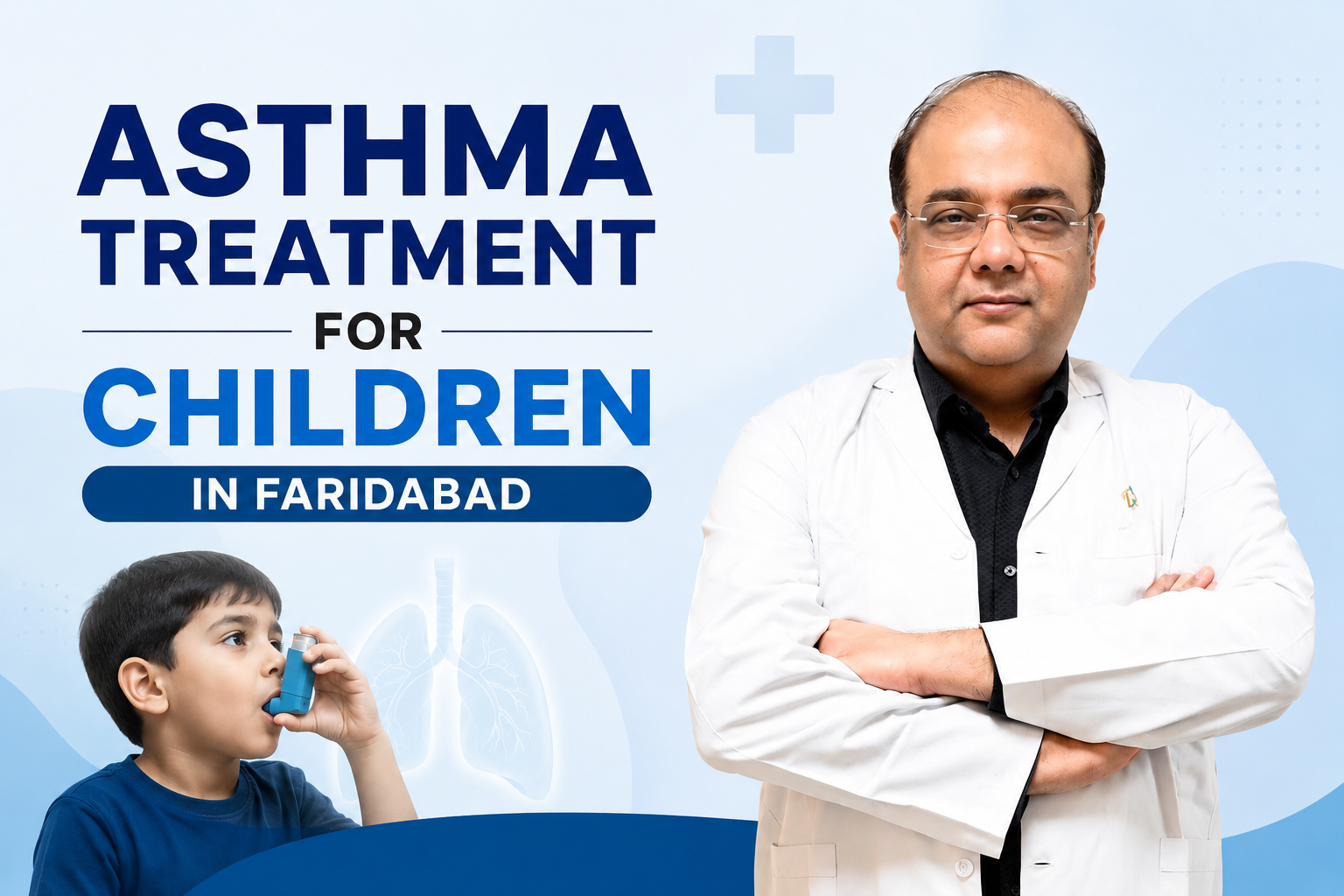
Asthma Treatment for Children in Faridabad
Asthma is one of the most common chronic respiratory conditions affecting children worldwide. It can cause recurrent coughing, wheezing, breathlessness, and chest tightness, making daily activities, school attendance, sports, and even sleep difficult for children. Fortunately, with timely diagnosis, the right treatment, and proper long-term management, most children with asthma can lead healthy, active, and normal lives.
If you are searching for the best asthma treatment for children in Faridabad, it is important to consult an experienced pediatric specialist who understands childhood respiratory conditions and provides individualized treatment plans. Dr. Sumit Chakravarty, a highly experienced Child Specialist and Pediatrician in Faridabad, is widely recognized for his expertise in diagnosing and managing childhood asthma, allergies, respiratory infections, and other pediatric illnesses with compassionate and evidence-based care.
This comprehensive guide explains everything parents need to know about childhood asthma, its symptoms, causes, diagnosis, treatment, prevention, and when to seek medical help.
What is Asthma?
Asthma is a chronic inflammatory disease of the airways. In children with asthma, the breathing tubes (bronchi) become inflamed, swollen, and highly sensitive to various triggers such as dust, pollen, pollution, cold air, infections, exercise, or pet dander.
When exposed to these triggers, the muscles around the airways tighten, mucus production increases, and the air passages narrow, making breathing difficult.
Asthma is a long-term condition, but with proper treatment and regular follow-up, children can participate in school, sports, and other activities without major limitations.
How Common is Asthma in Children?
Childhood asthma is becoming increasingly common in urban areas due to:
- Rising air pollution
- Environmental allergens
- Family history of allergies
- Viral infections
- Lifestyle changes
Children living in metropolitan cities like Faridabad are often exposed to pollution, seasonal allergens, construction dust, and changing weather conditions, increasing the risk of asthma symptoms.
What Causes Asthma in Children?
Asthma develops due to a combination of genetic and environmental factors.
Common causes include:
- Family history of asthma
- Allergic rhinitis
- Eczema
- Dust mites
- Air pollution
- Tobacco smoke exposure
- Viral respiratory infections
- Pollen
- Pet dander
- Mold exposure
- Strong perfumes
- Weather changes
- Indoor pollution
- Cockroach allergens
Not every child has the same trigger. Identifying individual triggers plays an important role in asthma management.
Symptoms of Asthma in Children
Symptoms vary from child to child and may range from mild to severe.
Common symptoms include:
- Persistent cough
- Night-time coughing
- Wheezing (whistling sound while breathing)
- Difficulty breathing
- Chest tightness
- Shortness of breath
- Rapid breathing
- Fatigue during play
- Frequent chest infections
- Reduced physical activity
- Difficulty sleeping due to coughing
Some children may only develop symptoms during exercise, while others experience seasonal attacks.
Early Warning Signs Parents Should Never Ignore
Parents should consult a pediatrician if their child experiences:
- Frequent coughing at night
- Cough lasting more than three weeks
- Recurrent wheezing
- Breathing difficulty after running
- Cough during laughter
- Chest tightness
- Difficulty speaking during an attack
- Bluish lips or fingernails
- Fast breathing
Early diagnosis prevents repeated hospital visits and serious complications.
Common Asthma Triggers
Identifying triggers helps reduce asthma attacks.
Common triggers include:
- House dust
- Dust mites
- Air pollution
- Smoke
- Mosquito coil smoke
- Incense sticks
- Cold weather
- Viral infections
- Pet fur
- Pollen
- Mold
- Exercise
- Strong odors
- Paint fumes
- Cleaning chemicals
Types of Childhood Asthma
Several forms of asthma affect children:
Allergic Asthma
Triggered by allergens such as dust, pollen, or pet dander.
Exercise-Induced Asthma
Symptoms appear during or after physical activity.
Seasonal Asthma
Occurs mainly during specific seasons due to pollen or weather changes.
Viral-Induced Asthma
Triggered by viral infections such as the common cold.
Severe Persistent Asthma
Symptoms occur frequently and require continuous medical management.
How is Asthma Diagnosed?
Diagnosis begins with a detailed medical history and physical examination.
The pediatrician may recommend:
- Clinical evaluation
- Family history assessment
- Allergy history
- Lung examination
- Oxygen saturation measurement
- Peak flow testing (older children)
- Spirometry (children above 5–6 years)
- Chest X-ray (when required)
- Allergy testing
- Blood investigations (if indicated)
Accurate diagnosis helps distinguish asthma from recurrent respiratory infections or other lung conditions.
Asthma Treatment for Children in Faridabad
The primary goal of asthma treatment is to:
- Reduce symptoms
- Prevent asthma attacks
- Improve lung function
- Allow normal physical activity
- Minimize emergency visits
- Improve quality of life
Treatment usually includes a combination of medications and lifestyle modifications.
Controller Medicines
These medicines reduce airway inflammation and help prevent future attacks.
Examples include inhaled corticosteroids and other long-term preventive medications prescribed according to international pediatric asthma guidelines.
Reliever Medicines
These provide quick relief during asthma attacks by relaxing the airway muscles.
Parents should never overuse reliever medicines without medical supervision.
Inhaler Therapy
Modern inhalers deliver medicine directly into the lungs, making treatment more effective with fewer side effects.
Children often use inhalers with spacers or masks for easier administration.
Nebulization
Nebulization may be recommended during acute asthma attacks or for younger children who cannot use inhalers effectively.
Lifestyle Changes for Children with Asthma
Good asthma control also depends on healthy daily habits.
Parents should:
- Keep the house dust-free
- Avoid smoking near children
- Wash bedding regularly
- Avoid stuffed toys that collect dust
- Encourage regular physical activity
- Maintain a healthy diet
- Ensure proper hydration
- Follow vaccination schedules
- Keep inhalers accessible
- Follow the asthma action plan
Can Children Play Sports?
Yes.
Most children with well-controlled asthma can participate in:
- Cricket
- Football
- Swimming
- Cycling
- Athletics
- Dance
- School sports
Proper treatment allows children to remain active without unnecessary restrictions.
Can Asthma Be Cured?
Asthma is generally a chronic condition, but it can be effectively controlled.
Many children experience significant improvement as they grow older.
With proper medications, regular follow-up, and trigger avoidance, most children enjoy an excellent quality of life.
Preventing Asthma Attacks
Parents can reduce asthma attacks by:
- Identifying triggers
- Avoiding smoke exposure
- Maintaining indoor cleanliness
- Treating allergies promptly
- Following prescribed medications regularly
- Not stopping inhalers without consulting the pediatrician
- Keeping follow-up appointments
- Ensuring annual influenza vaccination when recommended
When Should You Visit a Pediatrician Immediately?
Seek urgent medical care if your child has:
- Severe breathing difficulty
- Continuous wheezing
- Difficulty speaking
- Bluish lips
- Persistent chest tightness
- Fast breathing
- Poor response to inhalers
- Excessive sleepiness
- Repeated vomiting during an asthma attack
Immediate medical attention can prevent life-threatening complications.
Why Choose Dr. Sumit Chakravarty for Asthma Treatment in Faridabad?
When it comes to children’s respiratory health, choosing an experienced pediatrician is essential. Dr. Sumit Chakravarty is regarded as one of the best child specialists in Faridabad, offering comprehensive care for infants, children, and adolescents. With extensive experience in diagnosing and managing childhood asthma, allergies, respiratory infections, and other pediatric conditions, he focuses on providing individualized treatment plans tailored to each child’s needs.
Parents trust Dr. Sumit Chakravarty for:
- Expertise in childhood asthma diagnosis and management
- Comprehensive pediatric respiratory care
- Personalized asthma treatment plans
- Child-friendly consultation approach
- Guidance on inhaler techniques and trigger avoidance
- Long-term follow-up for better asthma control
- Preventive care and vaccination counseling
- Evidence-based treatment according to international pediatric guidelines
His goal is not only to control asthma symptoms but also to help children lead active, healthy, and confident lives with minimal disruption to their daily activities.
Frequently Asked Questions (FAQs)
Can asthma develop suddenly in children?
Yes. Some children develop asthma symptoms after viral infections, seasonal allergies, or environmental exposure, even without previous breathing problems.
Is asthma hereditary?
A family history of asthma, allergies, or eczema increases the likelihood of developing asthma, although environmental factors also play a significant role.
Can my child outgrow asthma?
Some children experience fewer symptoms as they grow older, while others continue to have asthma into adulthood. Regular monitoring helps manage the condition effectively.
Are inhalers safe for children?
Yes. When used correctly under the guidance of a pediatrician, inhalers are safe, effective, and are considered the preferred method for delivering asthma medications directly to the lungs.
Should children with asthma avoid exercise?
No. Well-controlled asthma should not prevent children from participating in sports or physical activities. Your pediatrician may recommend preventive medication before exercise if needed.
What is the difference between wheezing and asthma?
Wheezing is a symptom—a whistling sound while breathing—and may occur due to asthma, infections, or allergies. A pediatric evaluation is necessary to determine the underlying cause.
Can pollution worsen asthma?
Yes. Air pollution, dust, smoke, and airborne irritants can trigger asthma symptoms and increase the frequency of asthma attacks in susceptible children.
When should I consult a pediatrician for my child’s cough?
If your child’s cough lasts more than two to three weeks, is associated with wheezing, difficulty breathing, or keeps recurring, consult a pediatrician for evaluation.
Conclusion
Childhood asthma is a manageable condition when diagnosed early and treated appropriately. Timely medical care, proper use of medications, trigger avoidance, and regular follow-up can significantly reduce asthma attacks and help children enjoy an active, healthy lifestyle.
If your child experiences recurrent cough, wheezing, breathlessness, or frequent respiratory infections, do not ignore these symptoms. Early consultation can make a significant difference in long-term asthma control.
For expert asthma treatment for children in Faridabad, Dr. Sumit Chakravarty, recognized as one of the best child specialists in Faridabad, provides compassionate, comprehensive, and evidence-based pediatric care to help children breathe easier and grow healthier.
