Skin Rashes in Babies and Children: Causes, Types, Symptoms, Treatment & Prevention
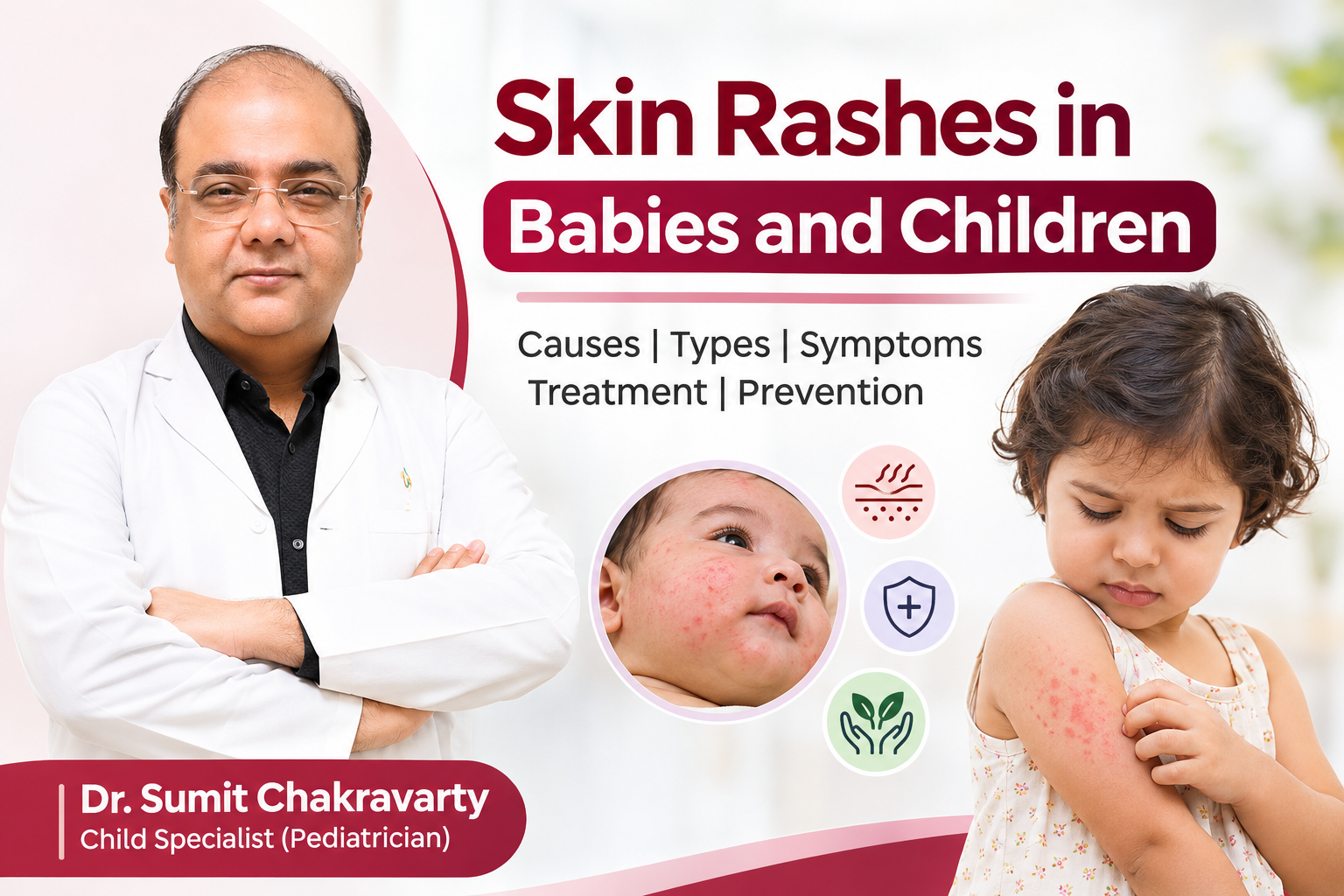
Skin Rashes in Babies and Children: Causes, Types, Symptoms, Treatment & Prevention
A baby’s skin is soft, delicate, and more sensitive than an adult’s skin. While parents take every precaution to keep their children healthy and comfortable, skin rashes in babies and children are extremely common. From tiny red bumps and dry patches to itchy spots and sudden allergic reactions, childhood skin problems can appear for several reasons.
Many parents become worried when they notice unusual redness, irritation, or small bumps on their child’s skin. Questions such as “Why does my baby have red spots?”, “Is this rash caused by an allergy?”, or “When should I take my child to a doctor?” are common concerns.
The good news is that many childhood skin rashes are mild and improve with appropriate care. However, some rashes may indicate infections, allergic reactions, or other medical conditions that require prompt evaluation.
Understanding the causes, types, symptoms, treatment, and prevention of skin rashes in babies and children can help parents make informed decisions and recognize when medical attention is necessary.
For parents seeking professional pediatric guidance, Dr. Sumit Chakravarty, the Best Child Specialist in Faridabad provides comprehensive child healthcare services, including the evaluation of common childhood illnesses and skin-related concerns.
What Are Skin Rashes in Babies and Children?
A skin rash is a visible change in the skin’s appearance, texture, or colour. It may involve redness, bumps, swelling, dryness, scaling, blisters, or irritation.
Rashes can appear anywhere on a child’s body, including the face, neck, chest, back, arms, legs, scalp, and diaper area.
Depending on the underlying cause, a rash may be:
- Red, pink, purple, brown, or darker than the surrounding skin
- Itchy, painful, or uncomfortable
- Dry, rough, or scaly
- Raised, flat, or blister-like
- Limited to one area or spread across the body
- Associated with fever or other symptoms
Skin rashes are particularly common in newborns and infants because their skin barrier is still developing. Their skin can react more easily to moisture, friction, heat, environmental irritants, and certain products.
Although many rashes are harmless, not every skin rash should be treated in the same way. Correctly identifying the cause is essential for appropriate treatment.
Common Causes of Skin Rashes in Babies and Children
Several conditions can cause skin rashes during infancy and childhood. Some develop because of environmental factors, while others are associated with infections or immune responses.
1. Heat Rash (Prickly Heat)
Heat rash, also known as miliaria, is common in babies, particularly during hot and humid weather.
It develops when sweat becomes trapped within the skin, causing tiny bumps or blisters.
Common symptoms include:
- Small red or skin-coloured bumps
- Mild itching or prickling
- Rash around the neck, chest, back, or skin folds
- Increased irritation during hot weather
Heat rash is particularly common during summer in regions such as Faridabad, where high temperatures and humidity may contribute to excessive sweating.
Treatment and care:
Keep the baby cool, dress them in loose cotton clothing, and avoid excessive wrapping. Use a comfortably cool environment and keep affected areas dry.
Avoid applying thick creams, oils, or powders without medical advice, as some products may worsen irritation.
2. Diaper Rash
Diaper rash is one of the most frequent skin problems affecting infants and toddlers.
It usually develops when the skin remains in contact with moisture, urine, stool, or friction for prolonged periods.
Common symptoms include:
- Redness around the buttocks and genital area
- Tender or irritated skin
- Discomfort during diaper changes
- Small bumps or inflamed patches
Sometimes, a persistent diaper rash may be associated with a yeast infection.
Treatment and care:
Change diapers frequently, clean the area gently, and allow the skin to dry before applying a fresh diaper.
A suitable barrier cream containing zinc oxide or petrolatum can help protect irritated skin.
If the rash becomes severe, spreads into skin folds, develops pustules, or does not improve with routine care, consult a pediatrician.
3. Baby Eczema (Atopic Dermatitis)
Eczema is a common inflammatory skin condition that can affect babies and children.
It often causes dry, itchy, and inflamed skin. Symptoms may come and go over time.
Common symptoms include:
- Dry and rough skin
- Red or darker inflamed patches
- Persistent itching
- Skin irritation around the cheeks, arms, legs, or skin folds
- Cracked or thickened skin in recurring cases
Eczema may be associated with a family history of allergic conditions such as asthma, allergic rhinitis, or eczema.
Treatment and care:
Regular moisturizing is an important part of eczema management.
Use fragrance-free moisturizers, avoid harsh soaps, and bathe children in lukewarm rather than hot water.
When inflammation is significant, a pediatrician may recommend appropriate medicated creams based on the child’s age and the severity of symptoms.
Do not apply steroid creams to a baby’s skin without medical guidance.
4. Allergic Skin Rashes
Children may develop skin reactions after exposure to certain foods, medicines, insect bites, or substances that contact the skin.
Allergic reactions can vary from mild localized irritation to severe systemic reactions.
Common symptoms include:
- Sudden itchy patches
- Raised welts or hives
- Redness or swelling
- Skin irritation after exposure to a suspected trigger
Food allergies may sometimes cause hives, vomiting, swelling, or breathing symptoms. However, not every rash after eating is caused by a food allergy.
If your child experiences repeated or unexplained allergic symptoms, seek pediatric evaluation.
Parents can also learn more about childhood allergy-related concerns through the website’s child allergy resources.
Important: A rash accompanied by breathing difficulty, tongue swelling, throat tightness, or collapse requires immediate emergency medical attention.
5. Viral Skin Rashes
Viral infections are another common cause of skin rashes in children.
Some viral illnesses produce a rash alongside fever, cough, sore throat, or other symptoms.
Examples include:
- Roseola
- Measles
- Chickenpox
- Hand, foot, and mouth disease
- Other viral exanthems
The appearance and distribution of the rash may help doctors identify the likely cause, but symptoms often overlap.
For example, chickenpox can cause itchy fluid-filled blisters, while hand, foot, and mouth disease commonly produces mouth sores and spots on the hands and feet.
Measles may cause fever, cough, runny nose, red eyes, and a spreading rash.
If a child develops a rash with fever, especially when measles or chickenpox is suspected, contact a healthcare professional before visiting a clinic so appropriate infection-control precautions can be arranged.
Read more about common childhood illnesses and their symptoms.
6. Contact Dermatitis
Contact dermatitis occurs when a child’s skin reacts to an irritating substance or an allergen.
Common triggers include:
- Fragranced soaps and lotions
- Detergents
- Certain fabrics or dyes
- Cleaning products
- Adhesives
- Metals such as nickel
Symptoms often appear in areas where the skin has directly contacted the substance.
Affected skin may become red, itchy, dry, or inflamed.
Treatment generally involves identifying and avoiding the suspected trigger, along with gentle skincare.
7. Cradle Cap (Seborrheic Dermatitis)
Cradle cap is a common condition affecting newborns and young infants.
It usually appears as greasy, yellowish, or white scales on the scalp.
In some babies, similar patches may occur around the eyebrows, ears, or skin folds.
Cradle cap is usually harmless and often improves over time.
Parents can gently wash the baby’s scalp with a mild baby shampoo and loosen scales carefully using a soft brush.
Avoid forcefully removing scales or applying medicated products without professional advice.
8. Bacterial and Fungal Skin Infections
Some childhood rashes are caused by bacteria or fungi.
Impetigo is a contagious bacterial skin infection that may produce sores with honey-coloured crusts, often around the nose or mouth.
Ringworm is a fungal infection that may cause circular, scaly patches with a more prominent border.
Fungal infections can also occur in moist skin folds and the diaper area.
These conditions may require prescription treatment.
Using the wrong medication, particularly steroid-containing combination creams, can worsen certain fungal infections or delay diagnosis.
Types of Skin Rashes in Babies: Quick Comparison
| Type of Rash | Common Appearance | Typical Location |
|---|---|---|
| Heat rash | Tiny bumps or small blisters | Neck, chest, back, skin folds |
| Diaper rash | Red, irritated patches | Diaper area |
| Eczema | Dry, itchy, inflamed skin | Cheeks, arms, legs, folds |
| Hives | Raised, itchy welts | Anywhere on the body |
| Cradle cap | Greasy yellowish scales | Scalp and eyebrows |
| Viral rash | Spots, bumps, or blisters | Varies by infection |
| Contact dermatitis | Irritated or inflamed patches | Areas exposed to triggers |
| Ringworm | Circular, scaly patches | Body, scalp, or limbs |
This comparison is for general awareness. Appearance alone cannot reliably establish a diagnosis.
Skin Rashes in Newborn Babies: What Is Normal?
Newborn babies can develop several temporary skin conditions during the first few days or weeks after birth.
Some common examples include:
Erythema toxicum neonatorum: A harmless newborn rash that may produce small red patches with tiny central bumps. It usually resolves without treatment.
Neonatal acne: Small bumps that commonly appear on the face during early infancy. Most cases improve naturally.
Milia: Tiny white or yellowish bumps that frequently appear on the nose, cheeks, or chin. They generally disappear without intervention.
Cradle cap: Scaly patches on the scalp that are usually not painful.
Although these conditions are often harmless, newborn skin changes should not automatically be assumed to be normal.
A newborn with fever, poor feeding, unusual sleepiness, widespread blisters, or signs of illness needs urgent medical assessment.
For additional guidance on infant health, explore newborn care and pediatric services.
How to Identify a Serious Skin Rash in Children
Most childhood rashes are not dangerous. However, certain symptoms may indicate a serious infection, severe allergic reaction, or another urgent medical condition.
Warning Signs That Require Immediate Medical Attention
Seek emergency care if your child develops:
- A rash with difficulty breathing or swelling of the tongue or throat
- Purple or red spots that do not fade when pressed, particularly with fever or illness
- A rapidly spreading rash accompanied by severe illness
- Blistering or peeling skin, especially with mouth or eye involvement
- A rash accompanied by confusion, unusual drowsiness, or difficulty waking
- Signs of severe dehydration, poor circulation, or persistent lethargy
- Fever of 38°C (100.4°F) or higher in a baby younger than three months
A child with a rash and fever who appears very unwell should be evaluated urgently, even if the exact cause is uncertain.
How Are Skin Rashes in Babies and Children Diagnosed?
A pediatrician generally begins by reviewing the child’s medical history and examining the affected skin.
Important questions may include:
- When did the rash first appear?
- Has it spread or changed in appearance?
- Is the rash itchy, painful, or blistering?
- Does the child have a fever or other symptoms?
- Has the child recently taken any medication?
- Were any new skincare products introduced?
- Has the child been exposed to someone with a contagious illness?
The doctor may also assess the child’s hydration, temperature, breathing, and overall condition.
Many skin rashes can be diagnosed clinically without extensive testing.
However, depending on the suspected cause, additional investigations such as a skin swab, fungal examination, or selected allergy tests may occasionally be recommended.
Routine allergy testing is not necessary for every child with a skin rash. Testing should be guided by the child’s history and examination findings.
Skin Rash Treatment for Babies and Children
The most effective treatment depends on the underlying cause of the rash.
There is no single cream or medicine that is appropriate for every childhood skin condition.
1. Gentle Skincare
Use mild, fragrance-free cleansers and avoid excessive bathing.
Pat the child’s skin dry gently rather than rubbing it.
2. Regular Moisturizing
For children with dry skin or eczema, suitable moisturizers can help maintain the skin barrier and reduce dryness.
Moisturizers are often most effective when applied shortly after bathing.
3. Avoiding Known Irritants
If a product appears to trigger skin irritation, discontinue its use and seek guidance about suitable alternatives.
4. Keeping Skin Cool and Comfortable
For heat-related rashes, loose clothing and a comfortable room temperature can help reduce sweating and irritation.
5. Appropriate Medication
Depending on the diagnosis, a pediatrician may recommend:
- Barrier creams for diaper irritation
- Suitable anti-inflammatory creams for eczema
- Antifungal medication for confirmed fungal infections
- Antibiotics for certain bacterial infections
- Age-appropriate antihistamines for selected allergic conditions
Medication selection and dosing depend on the child’s age, weight, medical history, and diagnosis.
Avoid using antibiotics, antifungal creams, steroid creams, or antihistamines without appropriate guidance, particularly in young infants.
Home Care Tips for Baby Skin Rashes
Parents can take several practical steps to reduce skin irritation and keep their child’s skin comfortable.
1. Choose soft cotton clothing: Breathable fabrics can help reduce friction and overheating.
2. Maintain good hygiene: Keep skin clean without excessive washing or scrubbing.
3. Avoid heavily fragranced products: Perfumes and harsh ingredients may aggravate sensitive skin.
4. Change diapers regularly: Prompt diaper changes can reduce prolonged exposure to moisture and irritants.
5. Keep fingernails short: This may help prevent skin damage from scratching.
6. Use suitable moisturizers: Choose products designed for sensitive skin, particularly when dryness is present.
7. Monitor the rash: Take photographs and note changes in appearance, distribution, or associated symptoms.
8. Avoid unverified home remedies: Do not apply toothpaste, essential oils, concentrated herbal preparations, or other potentially irritating substances to a baby’s skin.
These measures may help mild irritation, but they do not replace medical treatment when an infection or another underlying condition is present.
How to Prevent Skin Rashes in Babies and Children
Although not all childhood rashes are preventable, good skincare and hygiene practices can reduce the risk of certain conditions.
Maintain a Healthy Skin Barrier
Use gentle cleansers and moisturizers suitable for the child’s skin type.
Avoid unnecessary use of multiple skincare products.
Prevent Excessive Sweating
During hot weather, keep children comfortably cool and avoid overdressing.
Practice Proper Diaper Care
Change wet or soiled diapers promptly and use a protective barrier cream when needed.
Follow Recommended Vaccination Schedules
Vaccination can help protect children against certain infections associated with skin rashes, including measles and chickenpox.
Parents can discuss age-appropriate immunization with their pediatrician.
Encourage Hand Hygiene
Regular handwashing helps reduce the spread of many infectious illnesses.
Avoid Sharing Personal Items
Children should avoid sharing towels, combs, or other personal items when contagious skin infections are suspected.
For broader preventive care, parents can explore child healthcare and preventive pediatric services.
When Should You Consult a Pediatrician for Your Child’s Skin Rash?
Parents should arrange a pediatric consultation when a rash:
- Persists or continues to worsen
- Causes significant itching or sleep disturbance
- Develops pus, crusting, swelling, or increasing tenderness
- Keeps recurring without a clear explanation
- Appears after starting a new medicine
- Is associated with fever or other illness symptoms
- Affects feeding or the child’s usual activity
- Does not improve with appropriate basic skincare
Early evaluation can help distinguish mild irritation from infections, eczema, allergic conditions, and other disorders.
For parents looking for an experienced child specialist in Faridabad, timely pediatric consultation can provide appropriate diagnosis, treatment recommendations, and follow-up guidance.
Dr. Sumit Chakravarty – Best Child Specialist in Faridabad
When children experience recurring skin rashes, allergic reactions, fever-associated rashes, or other health concerns, choosing an experienced pediatrician is important.
Dr. Sumit Chakravarty, recognized on his official website as the Best Child Specialist in Faridabad, is an experienced pediatrician and neonatologist providing comprehensive healthcare for newborns, infants, children, and adolescents.
He holds an MBBS, DNB in Pediatrics, and Fellowship in Neonatology, along with advanced neonatal training in Canberra, Australia.
His clinical experience includes newborn care, common childhood illnesses, vaccination, growth and development monitoring, and pediatric health consultations.
For children experiencing skin rashes, a pediatric evaluation can help identify possible causes, determine whether specialist dermatology input is needed, and recommend suitable care.
Parents can consult Dr. Sumit Chakravarty for pediatric guidance regarding common childhood health concerns and symptoms that may accompany skin conditions. Best Child Specialist in Faridabad+2
Book a Pediatric Consultation in Faridabad
Dr. Sumit Chakravarty
Pediatrician & Neonatologist
Asha Child Care, C-13, Aryasamaj Road, Nehru Ground, NIT Faridabad, Haryana 121001
+91 9873510270
Frequently Asked Questions About Skin Rashes in Babies and Children
1. What is the most common cause of skin rashes in babies?
Common causes include heat rash, diaper dermatitis, eczema, and temporary newborn skin conditions. The likely cause depends on the baby’s age, rash appearance, and associated symptoms.
2. How can I treat my baby’s skin rash at home?
For mild irritation, use gentle skincare, avoid fragranced products, keep the skin comfortable, and apply suitable moisturizers or barrier creams when appropriate. Persistent or worsening rashes need medical evaluation.
3. Can teething cause skin rashes in babies?
Excessive drooling during teething can irritate the skin around the mouth, chin, and neck. However, teething itself does not explain widespread rashes or significant fever.
4. How long does a baby skin rash take to disappear?
The duration varies according to the cause. Mild heat rash may improve within a few days, while eczema may recur and require ongoing management. Infectious rashes follow different recovery patterns.
5. Is a red rash on a baby’s face normal?
Some newborn facial rashes, including neonatal acne and milia, are common and harmless. However, persistent inflammation, blistering, swelling, or a rash accompanied by illness should be assessed by a doctor.
6. Can food allergies cause skin rashes in children?
Yes. Certain food allergies can cause hives or other allergic symptoms. However, many childhood rashes are unrelated to food allergies, and unnecessary food restrictions should be avoided without medical advice.
7. When should I worry about a skin rash in my child?
Seek urgent care for breathing difficulty, non-blanching purple spots, severe illness, extensive blistering, or a fever in an infant younger than three months. Other persistent or worsening rashes should be assessed by a pediatrician.
8. Can I apply coconut oil or baby powder to a skin rash?
Not all home products are suitable for irritated skin. Oils may aggravate some conditions, and loose powders can pose an inhalation risk. Use products recommended for the specific skin condition.
9. Are skin rashes in children contagious?
Some rashes, such as those associated with chickenpox, measles, impetigo, or certain fungal infections, can be contagious. Eczema, heat rash, and most diaper rashes are not contagious.
10. Who is the best child specialist in Faridabad for baby skin rashes?
Dr. Sumit Chakravarty is a pediatrician and neonatologist in Faridabad who provides evaluation and management of common childhood health concerns. Parents seeking guidance for baby skin rashes can consult him for pediatric assessment and appropriate treatment recommendations.
Conclusion
Skin rashes in babies and children are common and can develop for several reasons, including heat, moisture, allergies, eczema, and infections. While many rashes are mild and resolve with appropriate skincare, others may require medical evaluation and targeted treatment.
Recognizing the symptoms, avoiding unnecessary medications, and following gentle skincare practices can help parents protect their child’s sensitive skin.
Most importantly, parents should pay attention to warning signs such as fever, rapid rash progression, breathing difficulty, or changes in their child’s overall condition.
For professional pediatric guidance, Dr. Sumit Chakravarty – Best Child Specialist in Faridabad offers comprehensive child healthcare consultations, helping parents make informed decisions about their children’s health and well-being.
Visit www.pediatriciandrsumitchakravarty.com to learn more or schedule a consultation.
