Iron Deficiency and Anemia in Children: Why Parents Should Pay Attention
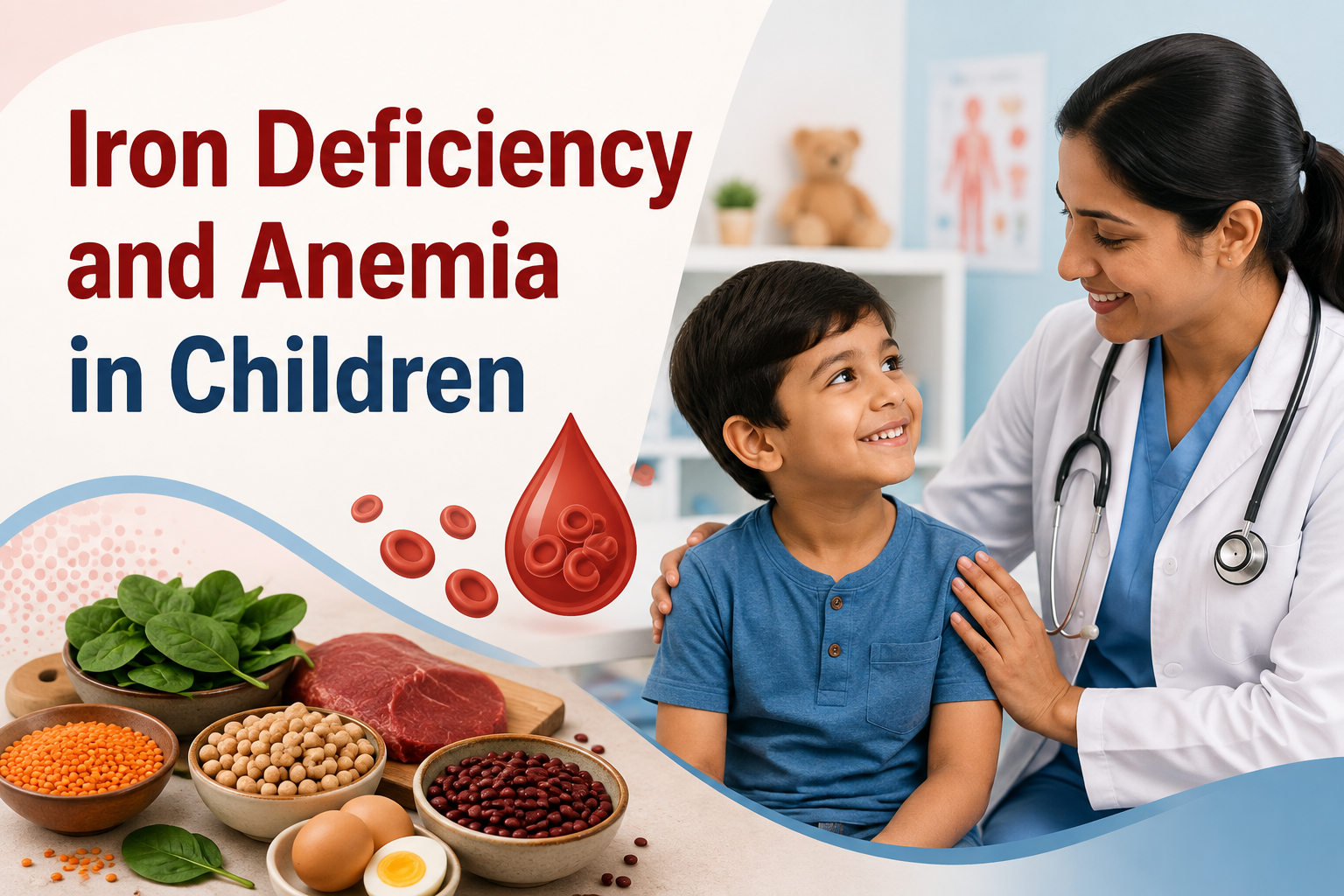
Iron Deficiency and Anemia in Children: Why Parents Should Pay Attention
Iron is a small nutrient with a major role in childhood. It helps the body make hemoglobin, the protein in red blood cells that carries oxygen to tissues. Iron is also important for brain development, attention, learning, muscle function and normal growth. When a child’s iron stores fall, iron deficiency develops. If the deficiency becomes significant enough to reduce hemoglobin, the child may develop iron-deficiency anemia.
Because early iron deficiency can be subtle, parents may initially notice only tiredness, irritability, poor appetite or reduced concentration. In babies and toddlers, prolonged deficiency is particularly important because the brain is developing rapidly. The good news is that many cases can be prevented or treated when the cause is identified and an age-appropriate plan is followed.
If your child looks unusually pale, tires easily, has poor appetite or has been found to have low hemoglobin, consult Dr. Sumit Chakravarty. Families searching for the Best Child Specialist in Faridabad can seek pediatric evaluation to determine whether iron deficiency, another nutritional issue or a different medical condition is responsible.
What Is the Difference Between Iron Deficiency and Anemia?
Iron deficiency means the body does not have adequate iron stores. Anemia means the blood has a lower-than-appropriate hemoglobin concentration or insufficient healthy red blood cells to carry oxygen effectively. Iron deficiency is a common cause of anemia in children, but it is not the only cause. Anemia may also result from vitamin deficiencies, infections, inflammation, blood loss, inherited blood disorders, kidney disease or other medical problems.
This distinction matters because giving iron without confirming the likely cause is not always appropriate. A pediatrician may evaluate diet, growth, symptoms, family history and laboratory findings before recommending treatment.
Why Children Are at Risk of Iron Deficiency
Children have changing iron needs as they grow. Babies are born with iron stores that support them for a period, but dietary sources become increasingly important. Toddlers can be vulnerable because they grow quickly and may become selective eaters. Adolescents may also be at risk because of rapid growth; menstruating teenagers can lose iron through menstrual blood loss.
· Prematurity or low birth weight, which may be associated with lower iron stores at birth.
· A diet low in iron-rich or iron-fortified foods.
· Excessive intake of cow’s milk in toddlers, which can displace iron-rich foods and may contribute to iron deficiency in susceptible children.
· Very selective eating or prolonged restrictive diets without nutritional planning.
· Rapid growth during infancy, childhood or adolescence.
· Heavy menstrual bleeding in adolescent girls.
· Chronic blood loss from the gastrointestinal tract or other causes.
· Conditions that affect nutrient absorption, such as certain gastrointestinal disorders.
· Chronic inflammation or illness, which can alter iron availability and produce anemia through mechanisms other than simple dietary deficiency.
Common Signs and Symptoms of Iron Deficiency Anemia in Children
Mild iron deficiency may cause few obvious symptoms. As anemia becomes more significant, parents may notice physical, behavioural or school-related changes. Symptoms depend on severity, how quickly anemia developed and the child’s age.
· Pale skin, lips, nail beds or inner eyelids.
· Fatigue, low stamina or getting tired more easily during play and sports.
· Weakness or reduced physical activity.
· Irritability, fussiness or reduced interest in play in younger children.
· Poor appetite or slower-than-expected weight gain in some children.
· Difficulty concentrating, reduced attention or declining school performance.
· Headaches, dizziness or feeling light-headed, especially in older children.
· Fast heartbeat, shortness of breath or exercise intolerance in more significant anemia.
· Pica—craving or eating non-food substances such as ice, clay, soil or starch.
· Cold hands and feet or feeling cold more often.
How Iron Deficiency Can Affect Learning and Development
Iron is important for neurological development. Prolonged deficiency, especially during periods of rapid brain growth, has been associated with concerns involving attention, learning and cognitive development. This does not mean that every child with low iron will have long-term problems, but it is a strong reason to prevent deficiency and treat confirmed cases promptly.
Parents sometimes interpret tiredness or reduced classroom focus as laziness. If a usually active child becomes persistently fatigued, struggles to concentrate or appears unusually pale, a medical evaluation may be more useful than simply increasing study pressure.
How Is Anemia Diagnosed in Children?
A pediatrician begins with history and examination. Questions may cover feeding, milk intake, vegetarian or restricted diets, menstrual history in adolescents, stomach symptoms, medications, family history of anemia and any signs of blood loss. Growth measurements are also important.
A complete blood count (CBC) is commonly used to evaluate hemoglobin and red blood cell characteristics. Depending on the situation, the doctor may request ferritin or other iron studies, a peripheral smear, reticulocyte count or tests for alternative causes of anemia. Ferritin is useful for assessing iron stores, but because it can be affected by inflammation, results need clinical interpretation rather than self-diagnosis from a laboratory number alone.
Iron-Rich Foods for Children
Dietary improvement is an important part of prevention and, in many cases, treatment. Iron from animal foods is generally absorbed more efficiently, while plant-based iron can still contribute meaningfully when meals are planned well. Vitamin C-rich foods can improve absorption of non-heme iron from plant sources.
· Eggs, meat, chicken and fish, where appropriate for the family’s diet.
· Lentils, dals, chickpeas, rajma, soybeans and tofu.
· Iron-fortified infant cereals and age-appropriate fortified foods.
· Green leafy vegetables such as spinach and amaranth, as part of a varied diet.
· Sesame seeds, pumpkin seeds and nut pastes for age-appropriate children without allergy risk.
· Millets, whole grains and other iron-containing cereals.
· Vitamin C sources such as amla, guava, oranges, tomatoes, bell peppers and lemon alongside iron-containing meals.
Practical Diet Tips for Indian Families
1. Pair dal, chana or rajma with a vitamin C source such as tomato, lemon or guava.
2. Offer iron-containing foods regularly rather than relying on one “superfood.”
3. For toddlers who drink large quantities of milk, discuss the amount with a pediatrician and ensure milk is not replacing balanced meals.
4. Introduce textures and family foods at developmentally appropriate stages to reduce long-term dependence on only soft or liquid foods.
5. For vegetarian children, include several plant-based iron sources across the day and seek dietetic advice if eating is highly restrictive.
6. Avoid giving tea or coffee to young children; in older children, consuming them around iron-rich meals can reduce iron absorption.
Should Parents Give Iron Syrup on Their Own?
No. Iron supplements should be used under medical guidance. The required amount depends on the child’s age, weight, laboratory findings, severity and underlying cause. Too little may not correct deficiency, while unnecessary or excessive iron can cause side effects and may be dangerous if accidentally ingested in large amounts. Iron medicines should always be stored securely out of children’s reach.
If supplementation is prescribed, parents should follow the exact product and dose recommended by the doctor because different formulations contain different amounts of elemental iron. The pediatrician may also advise when to repeat blood tests and how long treatment should continue after hemoglobin improves so that iron stores can recover.
When Anemia Needs Urgent Medical Attention
Seek prompt medical care if a child has severe weakness, fainting, breathing difficulty, a very fast heartbeat, marked paleness, chest discomfort, unusual sleepiness, active bleeding or rapidly worsening symptoms. Severe anemia can require urgent assessment and should never be managed only through diet at home.
Dr. Sumit Chakravarty – Pediatric Care for Iron Deficiency and Anemia in Faridabad
For parents seeking the Best Child Specialist in Faridabad, Dr. Sumit Chakravarty provides pediatric evaluation for nutritional concerns, poor growth, low hemoglobin, recurrent fatigue and childhood feeding problems. The focus is on finding the reason behind the abnormal result rather than treating a laboratory number in isolation.
A structured pediatric assessment can help determine whether a child’s anemia is likely related to diet, rapid growth, menstrual blood loss, malabsorption, infection, chronic disease or an inherited blood condition. This is especially important when anemia is severe, recurrent, does not respond to initial treatment or occurs alongside poor growth and other symptoms.
Frequently Asked Questions
1. What is the most common sign of anemia in children?
Paleness and fatigue are common, but mild anemia may have no obvious symptoms. A blood test may be needed when risk factors or clinical concerns are present.
2. Can too much milk cause iron deficiency?
High milk intake can contribute in some toddlers because milk is low in iron and may reduce appetite for iron-rich foods. Discuss age-appropriate milk intake with your pediatrician.
3. Are vegetarian children always iron deficient?
No. Vegetarian diets can provide adequate iron when they include varied legumes, fortified foods, grains, seeds, vegetables and vitamin C. Highly restricted diets may need professional planning.
4. How long does iron deficiency treatment take?
The timeline varies with severity, cause and response. Doctors often continue treatment beyond initial hemoglobin improvement to rebuild iron stores, with follow-up testing as appropriate.
5. Is low hemoglobin always due to iron deficiency?
No. Anemia has many causes, including inherited blood disorders, inflammation, infection, vitamin deficiencies and blood loss. Testing and clinical interpretation are important.
6. Can iron deficiency affect school performance?
Iron deficiency has been associated with fatigue and difficulties in attention, learning and cognitive performance, particularly when significant or prolonged.
Final Takeaway
Iron deficiency and iron-deficiency anemia are common pediatric concerns, but they should not be dismissed as minor nutritional issues. Persistent deficiency can affect energy, participation, learning and development. Prevention depends on a varied diet, appropriate feeding practices and attention to risk factors. Treatment should address both the low iron level and the reason it developed.
If your child has low hemoglobin, pallor, fatigue, poor appetite or growth concerns, schedule an evaluation with Dr. Sumit Chakravarty. For families looking for the Best Child Specialist in Faridabad, a timely pediatric consultation can help establish the diagnosis and create a safe, age-specific treatment and nutrition plan.
Medical Note: Do not start iron supplements solely on the basis of symptoms or internet advice. Pediatric dosing and follow-up should be individualized.
